





Our experienced advisory team will be happy to help you find the right property for your needs – quickly and with no obligation.
Older property or new build: which is right for me?
High ceilings, double doors and herringbone parquet flooring – or large windows that let in plenty of natural light, modern building technology and your own terrace just outside the open-plan kitchen and living area? Anyone looking to buy a property in Vienna will sooner or later face a question almost as old as some Gründerzeit buildings themselves: older property or new build?
Both have their appeal. After all, Vienna would hardly be Vienna without its historic buildings. At the same time, older and new-build properties differ in ways that go far beyond style and personal taste – from energy efficiency and running costs to maintenance requirements and long-term value development. So it is time for a comparison that looks beyond the façade.
- 1. Older property or new build in Vienna: why is this question particularly relevant here?
- 2. Which is more affordable: an older property or a new build?
- 3. What will the property cost me after I buy it?
- 4. Are running costs lower in a new build than in an older property?
- 5. Which has the better layout: an older property or a new build?
- 6. Is a new build more accessible than an older property?
- 7. What potential does a new build offer for future value development?
- 8. Older property vs. new build as an investment: what should landlords consider?
- 9. What should I look for when comparing older and new-build properties?
- 10. Conclusion: older property or new build – which is worth it in Vienna?
- 11. Exclusive new-build developments in and around Vienna
Older property or new build in Vienna: why is this question particularly relevant here?
Vienna has an exceptionally large stock of older buildings. According to Statistik Austria, around one fifth of buildings in Vienna date from before 1919, while a further 15.2% were built between 1919 and 1944. Historic architecture is therefore an integral part of the cityscape.
For apartment buyers, this means that the choice between an older existing property and a modern new build arises particularly often in Vienna. And with it comes the question of what matters most to you personally. Stucco and history? Or contemporary technology, modern layouts and as little need for refurbishment as possible?
One thing is certain: the way a home feels is a matter of personal taste. Energy consumption and future investment requirements, by contrast, can usually be quantified fairly precisely.
Which is more affordable: an older property or a new build?
New-build apartments in Vienna generally command relatively high prices. However, direct comparisons with the entire existing property market need to be treated with caution. Location, year of construction, condition, property size and specifications all have a significant influence on price.
An unrenovated older property cannot reasonably be compared with a high-quality new build, just as apartments in different locations cannot be meaningfully compared on price alone. And that is exactly why buyers should never focus on just one figure when purchasing a property: the purchase price.
The more interesting question is often:
What will the property cost me after I buy it?
With an older building, investments may be required in the coming years for elements such as the façade, roof, windows, pipes, risers, lift or heating system. What work will actually be necessary depends heavily on the condition of the building and which renovations have already been carried out.
At a Glorit press briefing, building expert Günther Nussbaum therefore emphasised the importance of also considering the immediate future when assessing older properties:
With an older building, it is important to consider not only its current condition but also potential future investment. As an indication, additional refurbishment costs of around EUR 250,000 may arise over a period of 40 years. Individual building components, such as façades, may require corresponding maintenance or renovation work after several decades.
Günther Nussbaum
Building expert
Of course, this figure cannot simply be applied to every building. But the principle behind it is important: anyone comparing purchase prices alone may only be looking at half the equation.
Are running costs lower in a new build than in an older property?
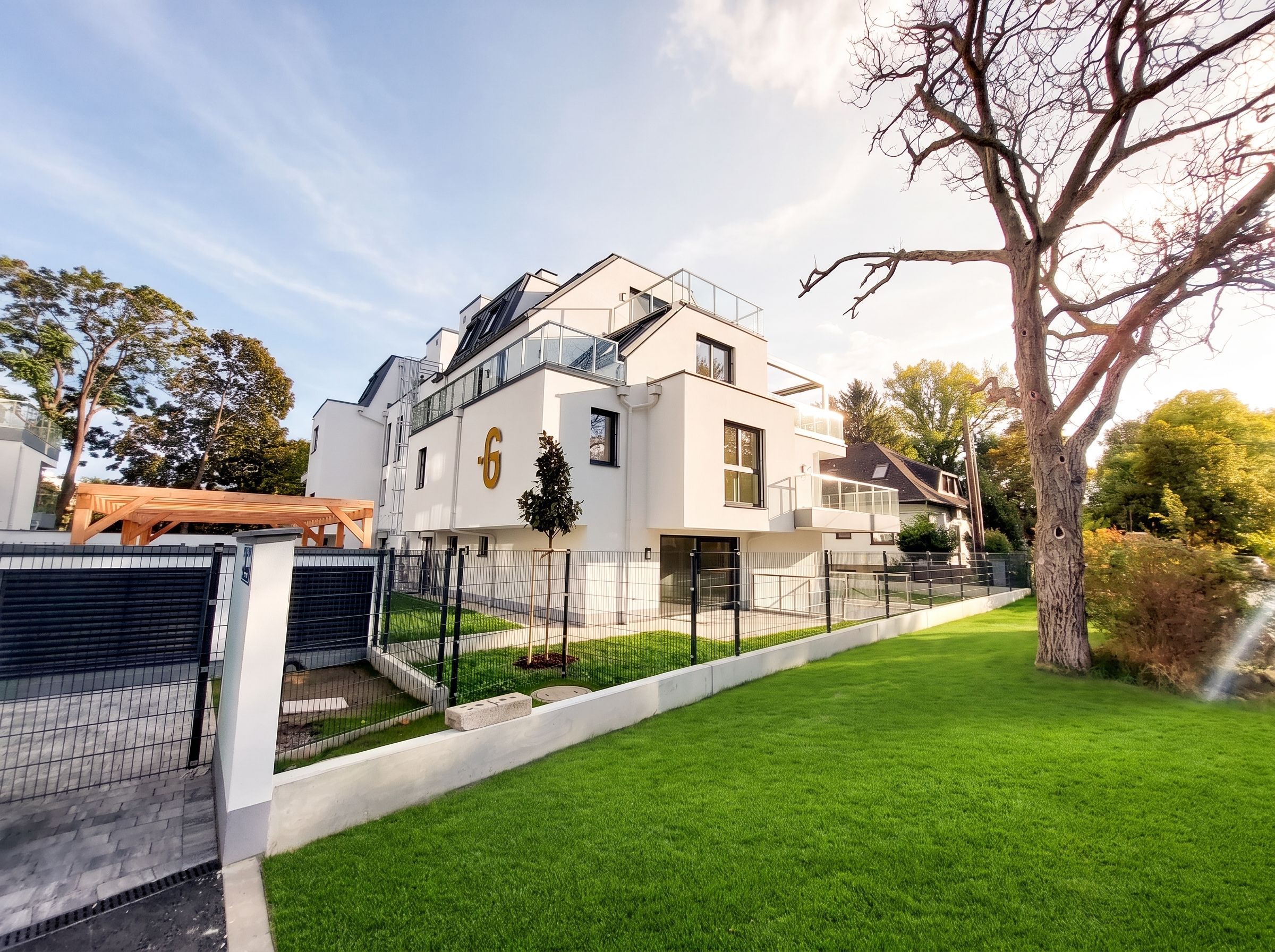
It is worth taking a closer look at the terminology here. Traditional building operating costs are not automatically lower in a new development. A modern building may, for example, include a lift, underground parking, communal facilities or sophisticated building technology, all of which can also generate ongoing costs.
A more meaningful comparison is therefore the total ongoing cost of living in the property. In addition to standard operating costs, this includes heating and energy costs as well as medium- and long-term maintenance measures and investments.
This is where a new build can offer advantages. The building envelope, windows and building services are designed to current standards and can be coordinated as an integrated system from the outset. With an older building, by contrast, much depends on whether – and to what extent – thermal and technical upgrades have already been carried out.
In short: an older building does not necessarily have to be inefficient. But age alone does not make it efficient either.
Fossil heating in older properties will soon be phased out: what this means for you.
For Vienna’s existing building stock, the type of heating system used will become an increasingly important issue in the years ahead. Stadt Wien aims to make the city’s heat supply independent of fossil fuels such as oil, gas and coal by 2040. In future, space heating and hot water are to be supplied on a climate-neutral basis.
For existing buildings in particular, this may involve additional work. Stadt Wien itself points out that switching to renewable heating systems often requires structural alterations to the building or individual apartment. In condominium buildings, a solution for the entire building is also often advisable or necessary. Anyone considering buying an older property should therefore ask an additional question: how future-ready is the existing heating system, and what further investment might be required?
The situation is different for new developments. According to Stadt Wien, fossil-fuel systems have no longer been permitted for supplying heat to new buildings since 29 February 2024. The energy concept is therefore not something that will need to be retrofitted at some point in the future – it is already incorporated into the planning from the outset.
What are the advantages of modern heating and cooling systems in new builds?
When it comes to energy, it is no longer simply about keeping your feet warm in January. Comfortable indoor temperatures during summer are becoming increasingly important as well – something the record summer of 2026 made particularly clear.
In a modern new development, heating, cooling, the building envelope, solar shading and energy supply can all be coordinated as part of the planning process.
Modern systems can, of course, also be retrofitted in an older building. Whether this is possible, and how much work it requires, depends heavily on the existing structure and building services.
A new build therefore has one very straightforward advantage: it does not first have to be brought up to present-day standards.
How energy-efficient are Glorit houses and apartments?
Depending on the development, Glorit uses heat pumps in a variety of configurations. Most of these systems can also reduce indoor temperatures by several degrees in summer using underfloor and/or ceiling cooling.
All Glorit apartment developments are also equipped with photovoltaic systems that supply energy to communal areas. A large number of Glorit house developments already feature installed PV systems, while all houses are prepared with empty conduits to make future retrofitting straightforward.
Efficient building services combined with modern insulation and thermal glazing provide a high level of living comfort and pleasant indoor temperatures throughout the year.
Which has the better layout: an older property or a new build?
The way people live has changed considerably over the past hundred years. So have floor plans.
Depending on their age and building type, older apartments may offer high ceilings, generously sized rooms and distinctive architectural details. However, the classic charm associated with period properties is by no means guaranteed. Some existing apartments have lower ceilings, long corridors, connecting rooms or numerous separate rooms. These layouts made perfect sense when the buildings were constructed – everyday life simply looked rather different back then.
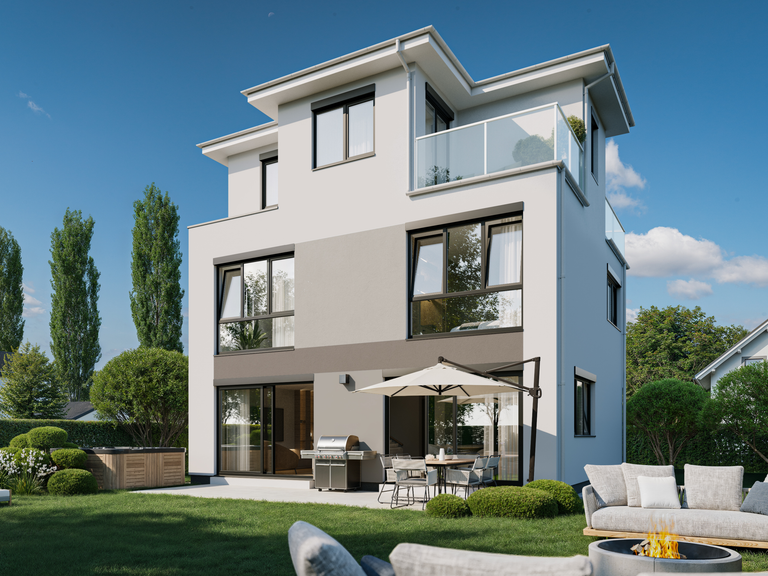
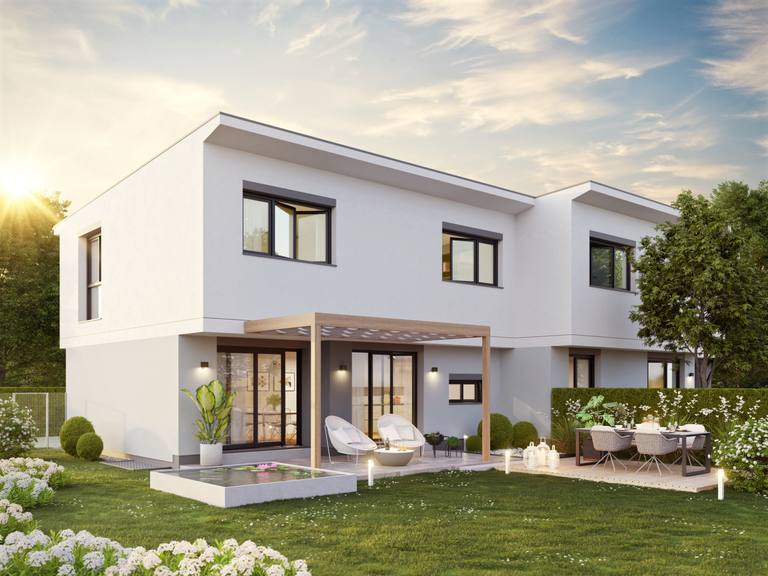
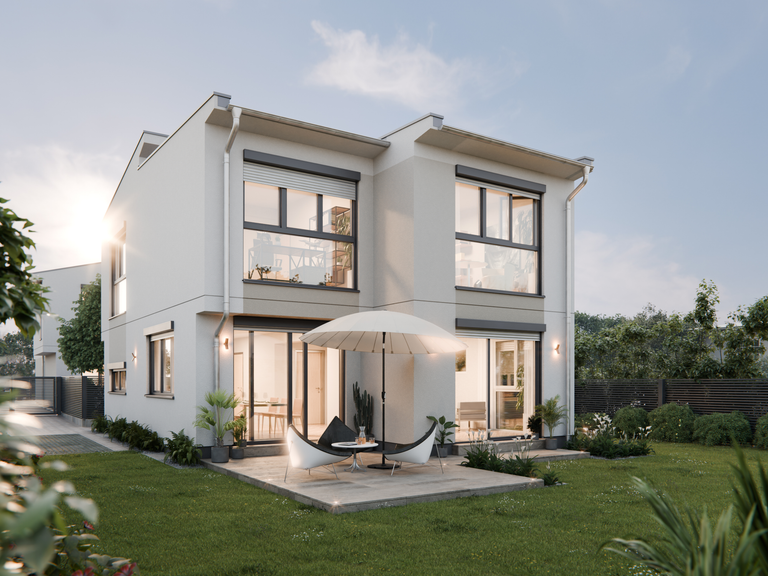
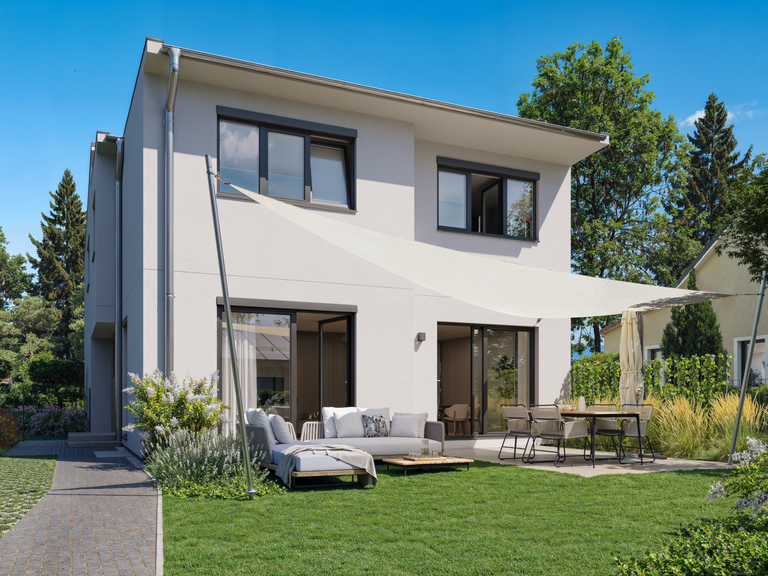
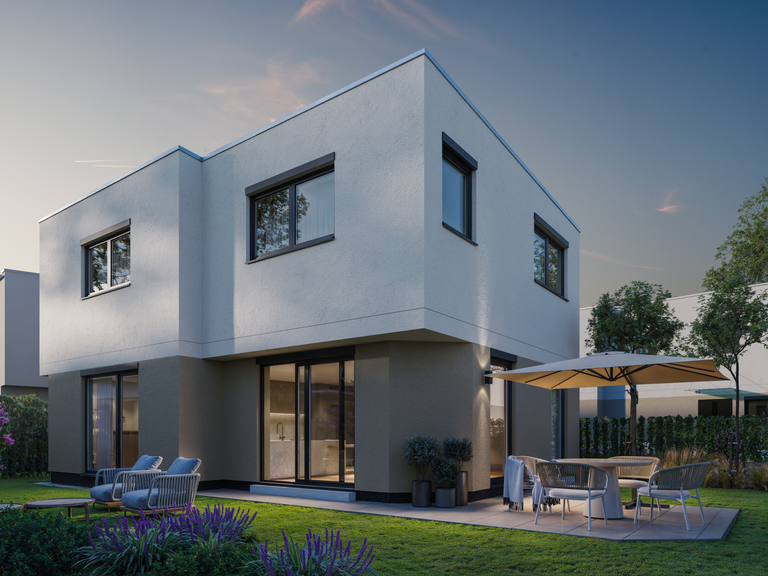
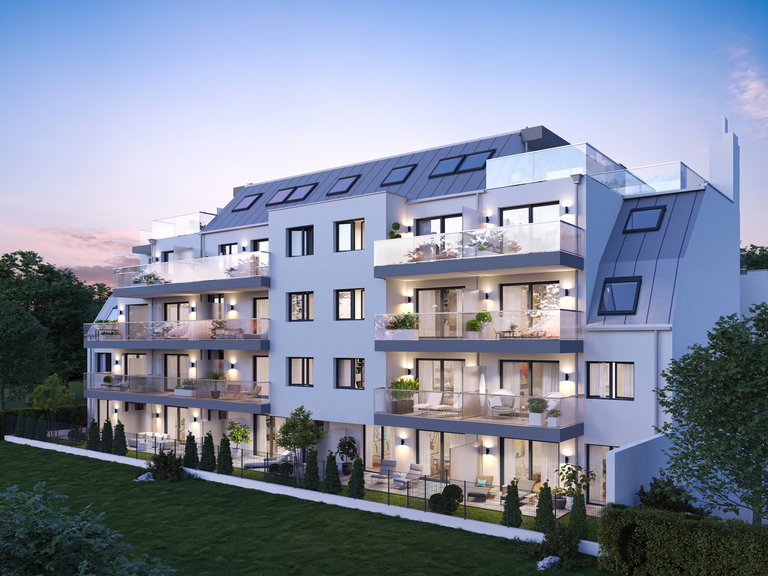
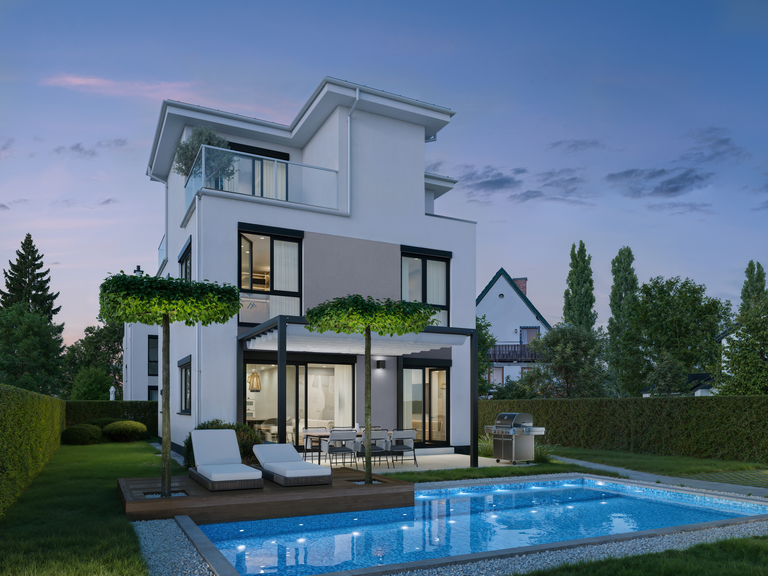
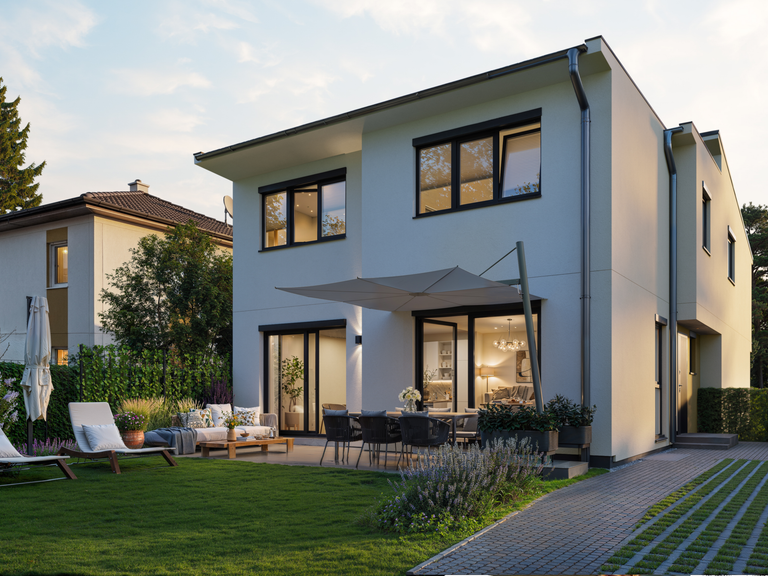
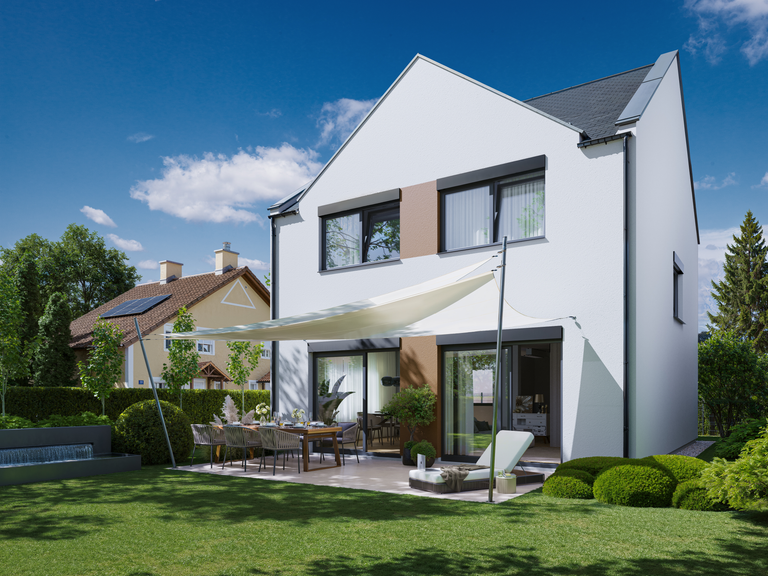
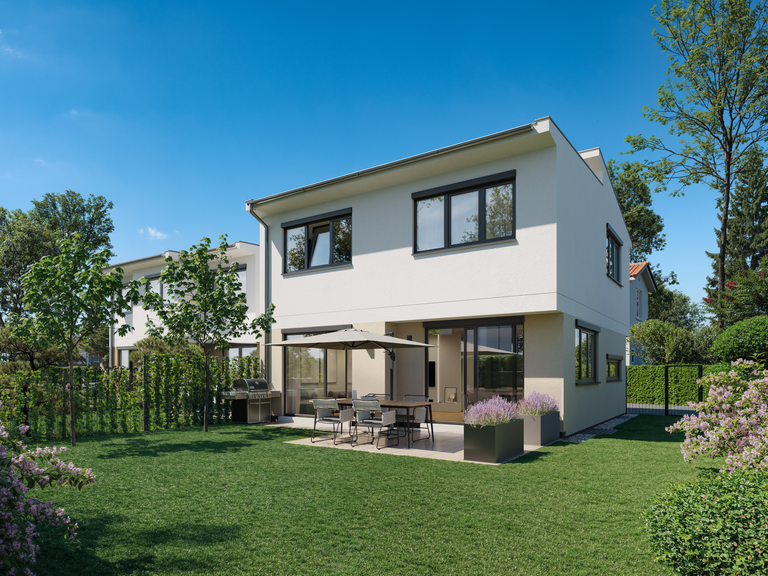
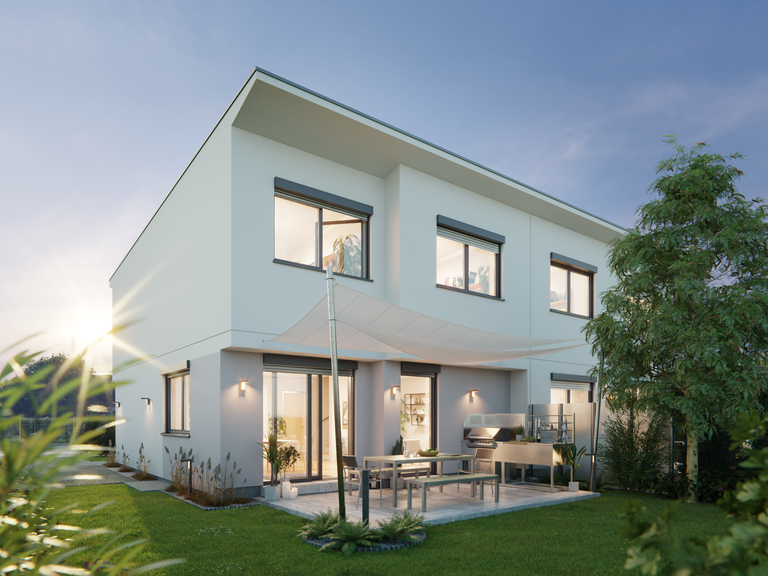
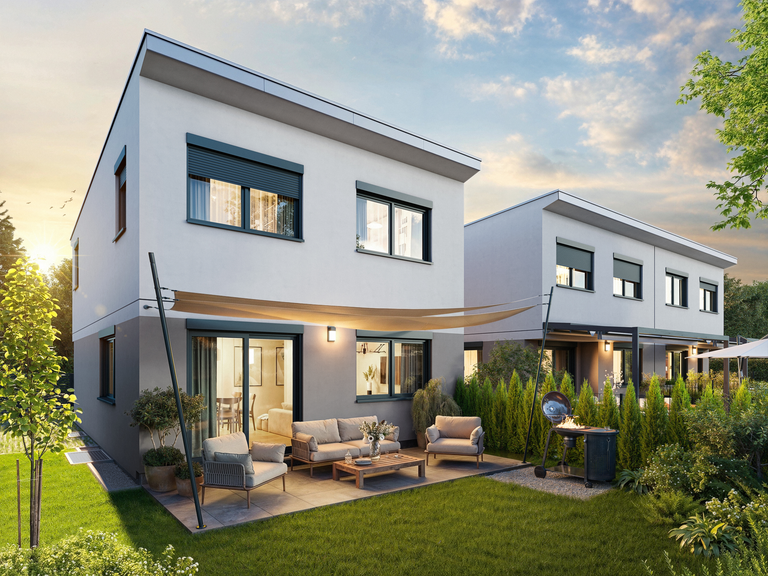
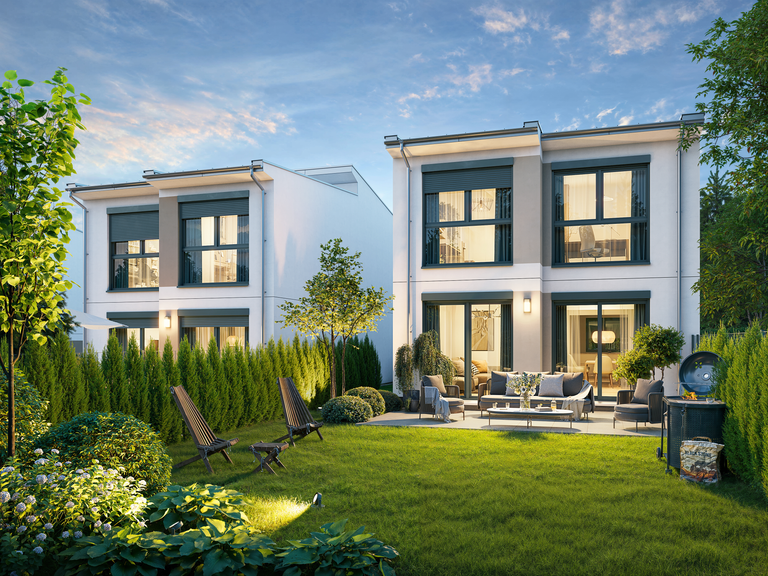
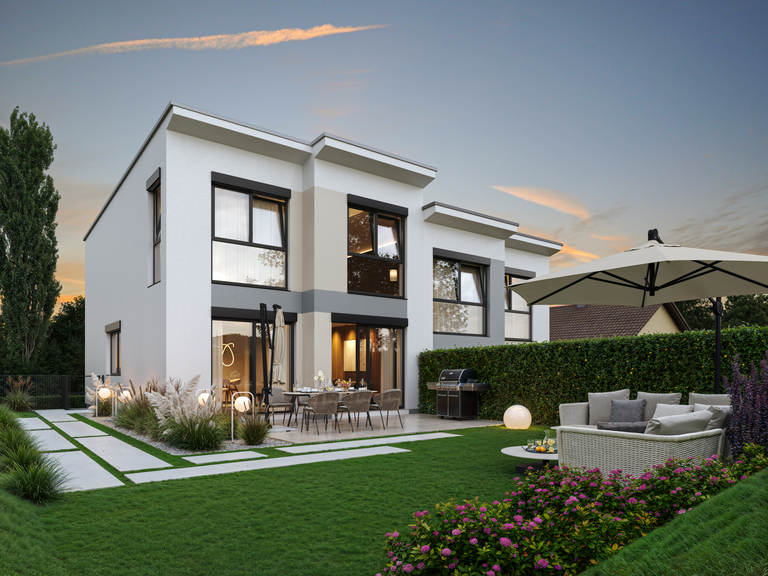
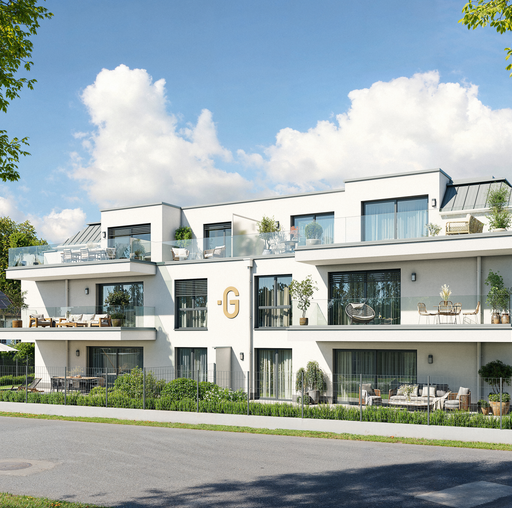
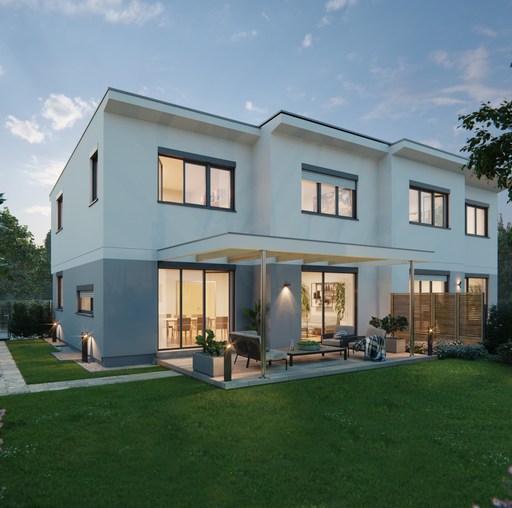
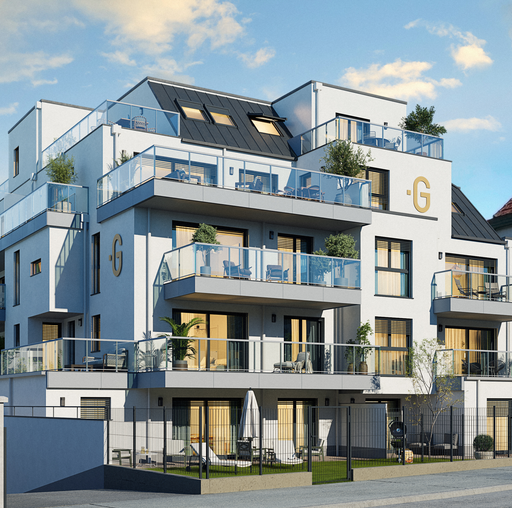
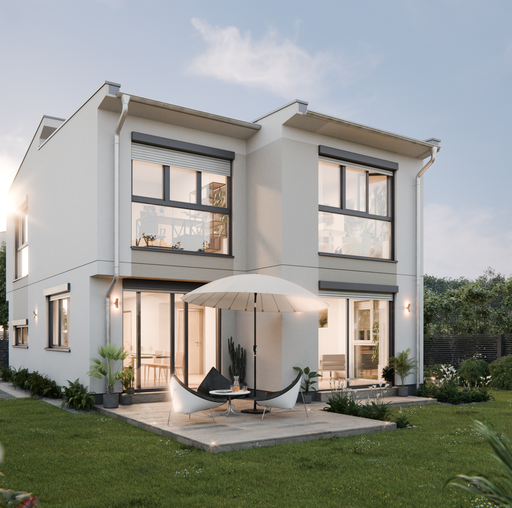
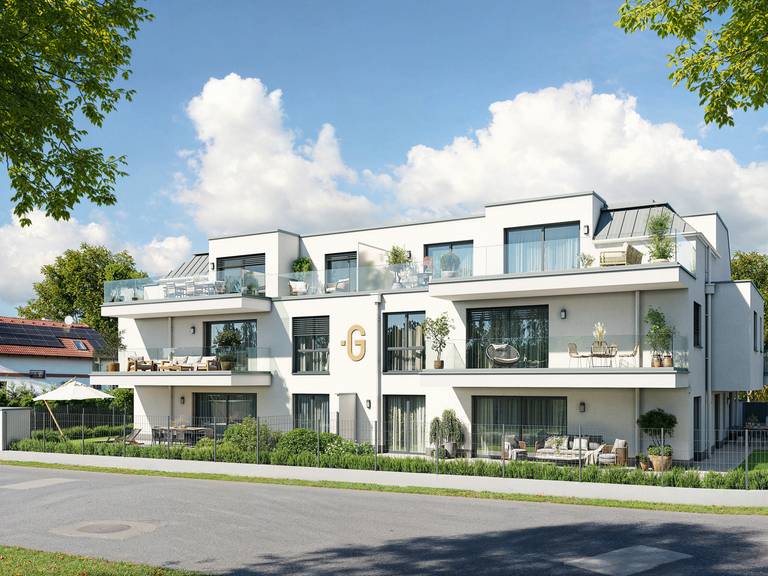
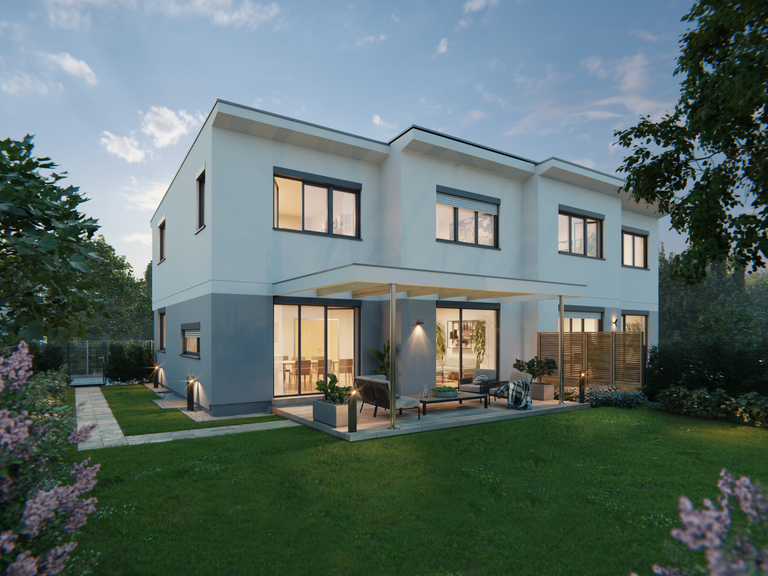
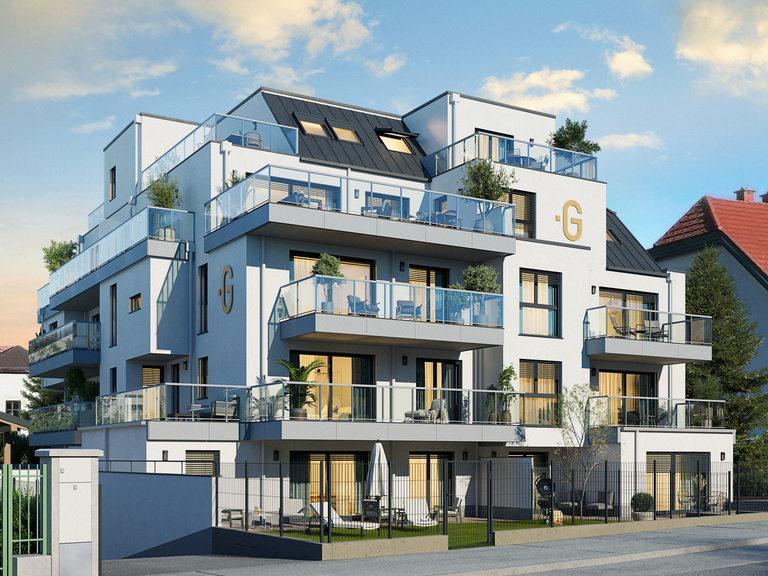
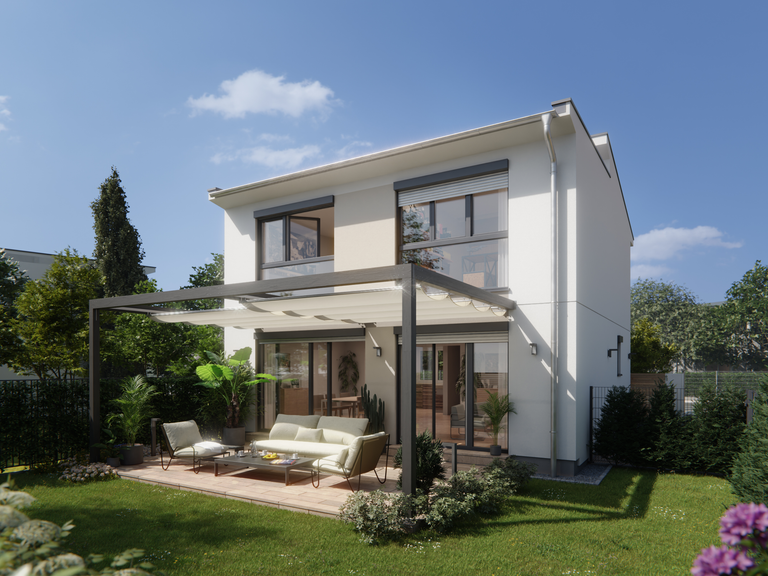
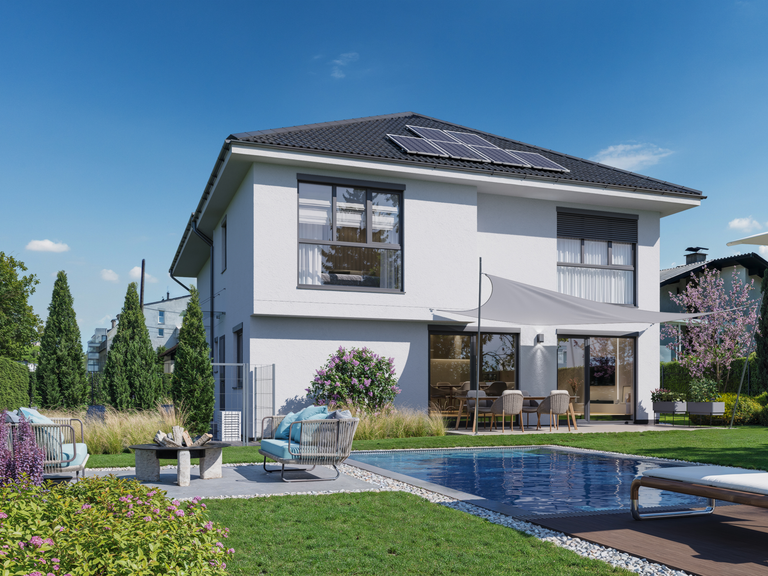
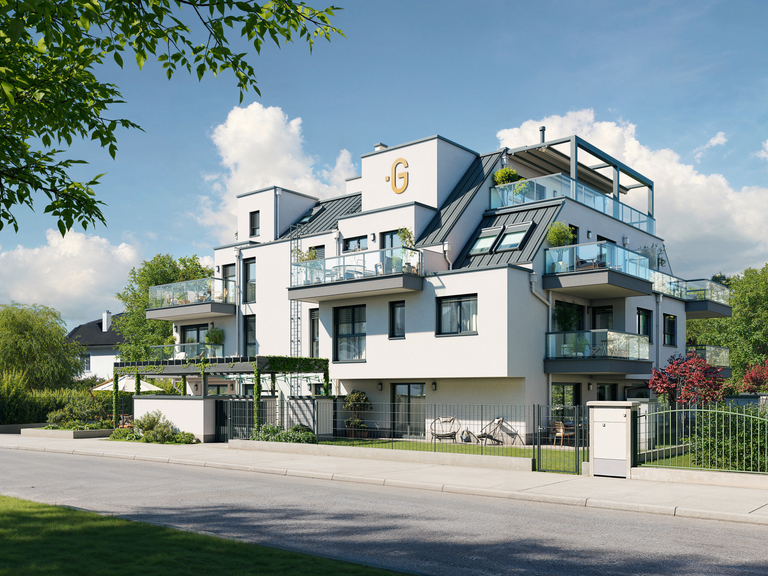
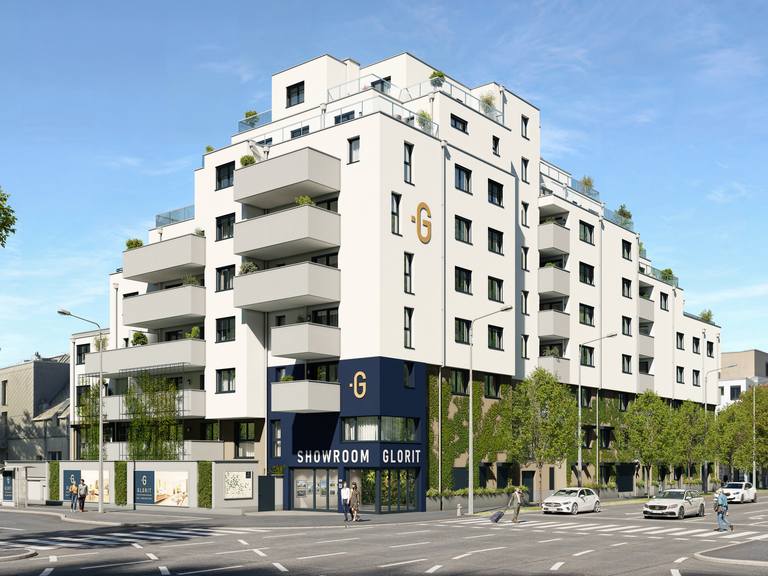
Modern new-build developments are increasingly designed around the way people live today: carefully considered layouts with spacious open-plan living and dining areas, large windows that let in plenty of natural light, and private outdoor spaces such as balconies, terraces or gardens that extend the living area outdoors.
There are also requirements that simply were not a consideration when historic buildings were constructed: modern sound insulation, bicycle and pushchair storage rooms, lifts, parking spaces directly outside the building or in an on-site underground garage, clean and dry basement storage areas and modern electrical installations.
An older building can also offer many of these features following renovation. However, subsequent alterations are naturally more dependent on the existing building fabric.
Is a new build more accessible than an older property?
A few steps at the entrance to a building may initially seem insignificant. Add a pushchair, heavy shopping bags, a sports injury or advancing age, and suddenly they become rather more noticeable.
Historic buildings date from a time when accessibility did not play the same role in the planning process. As a result, existing properties may have steps, narrow access routes or no lift, all of which can make everyday life more difficult.
New developments, by contrast, are subject to current building regulations governing accessibility and safe use. The Wiener Bauordnung, for example, requires passenger lifts in buildings with more than two main storeys, subject to certain exceptions. These lifts must also be accessible to wheelchair users via the required connecting routes.
Accessible design is about much more than later life. It helps ensure that a property remains comfortable and practical throughout as many stages of life as possible. Sometimes, planning for the future begins with something as simple as a door threshold.
What potential does a new build offer for future value development?
No one can predict with certainty how the value of a property will develop in the future. Location, interest rates, supply and demand, and broader economic conditions all play an important role.
However, factors that buyers increasingly value may contribute to the long-term appeal of a new-build property: energy-efficient building technology, contemporary layouts, private outdoor spaces, accessibility and modern building standards.
Supply is another factor. Exploreal has documented a significant decline in new residential construction activity in Vienna over the past several years. For 2025, only around 11,000 completions were forecast – considerably fewer than in previous years. A more limited supply of new apartments may therefore also be a factor supporting the long-term appeal of high-quality new-build properties.
An increase in value is, of course, never guaranteed. But a modern new build offers features that are likely to remain in demand in the future – and from a technical perspective, it starts at a point that older properties may only reach after substantial investment.
Older property vs. new build as an investment: what should landlords consider?
Anyone planning not only to live in a property but also to rent it out should consider another important factor: tenancy law.
Many traditional older apartments in Vienna fall within the full scope of the Mietrechtsgesetz (MRG). In such cases, the permitted principal rent may be limited by law. The amount that can actually be charged depends on the specific apartment, any applicable additions or deductions, and statutory exemptions.
For rented condominium apartments in buildings constructed after 8 May 1945, however, the MRG generally applies only in part. In particular, these apartments are not subject to the MRG’s rent caps, meaning that the rent can generally be freely agreed between the parties. Other statutory requirements must, of course, still be observed.
For investors, this distinction can be significant. The more heavily rent levels are regulated by law, the less flexibility there is to let an apartment at current market rates. This may affect achievable rental income and, in turn, the return on an investment property.
A modern, privately financed new-build property may therefore be attractive not only in terms of energy efficiency, maintenance and living comfort, but also with regard to long-term lettability and financial predictability.
What should I look for when comparing older and new-build properties?
When comparing properties, buyers should therefore look beyond the purchase price and price per square metre. At least as relevant are:
- the year of construction,
- the building’s energy performance and its heating and cooling system,
- the condition of the roof, façade, windows and pipework,
- reserve funds and any renovation work already planned,
- ongoing energy and housing costs,
- the floor plan and practicality of the rooms,
- a balcony, terrace or garden,
- accessibility and lift access,
- sound insulation,
- parking or an underground garage,
- the quality of the fixtures and finishes, and
- how well the property is likely to suit future stages of life.
Because ultimately, you are not buying an energy-performance figure or a floor plan. You are buying a home. The figures simply help ensure that you can enjoy living there for as long as possible.
Conclusion: older property or new build – which is worth it in Vienna?
Choosing between an older property and a new build in Vienna ultimately comes down to personal priorities.
Older properties offer history, sometimes high ceilings, and a character that a new building naturally cannot replicate. If the building has been thoroughly renovated and brought up to current technical standards, this can be a highly attractive combination.
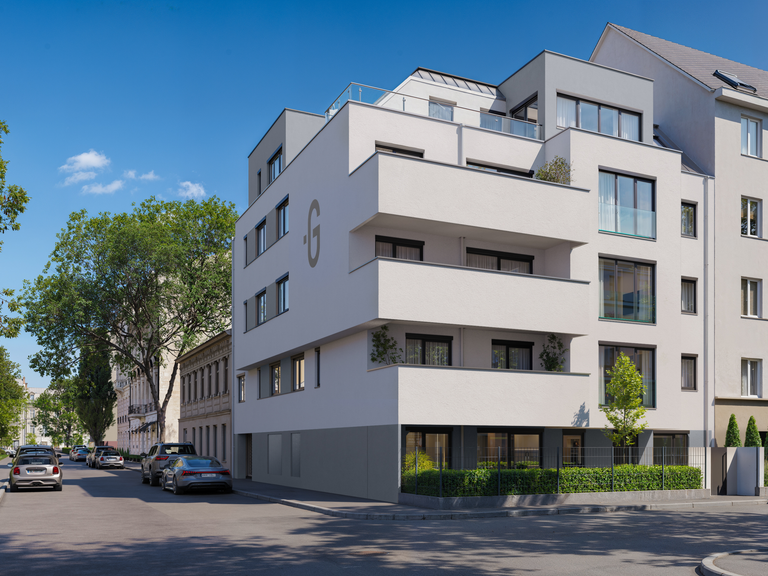
However, buyers who value predictability, modern building technology, energy efficiency, contemporary layouts, private outdoor spaces, accessibility and as little short-term refurbishment work as possible will find these qualities built into a high-quality new development from the outset.
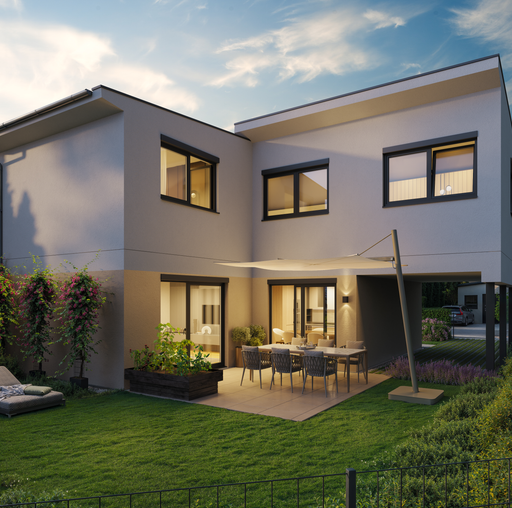
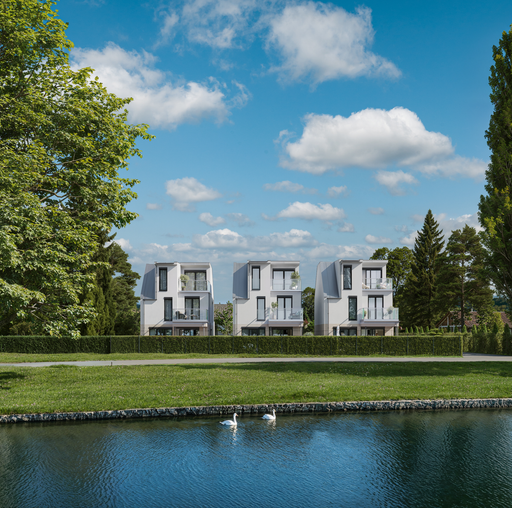
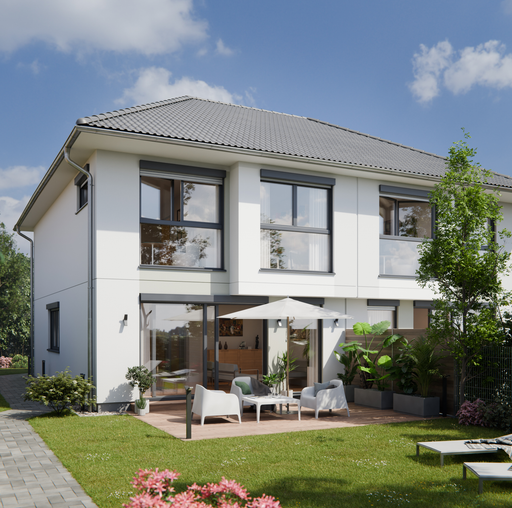
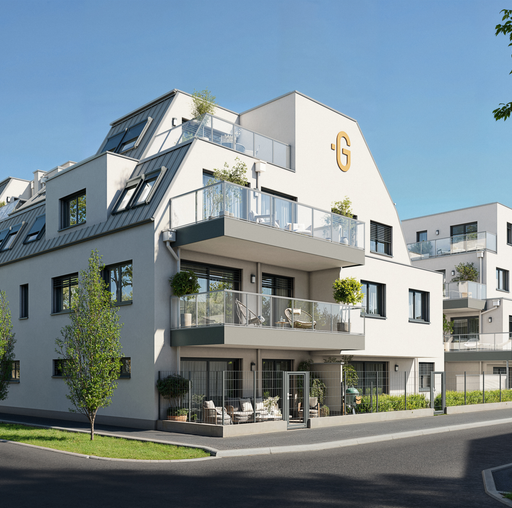
Exclusive new-build developments in and around Vienna

Search
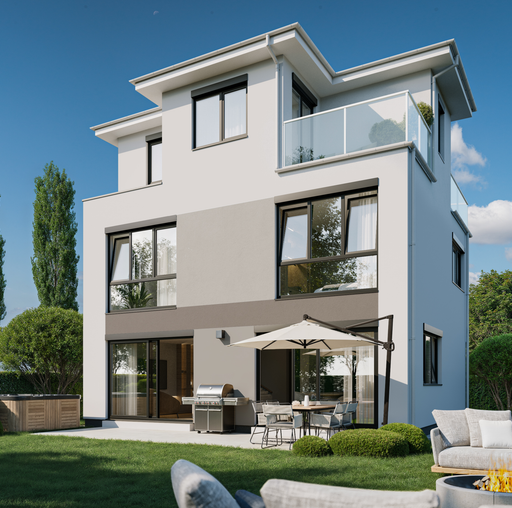
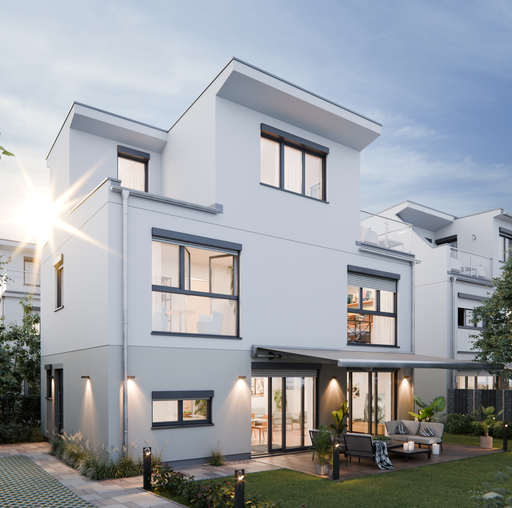
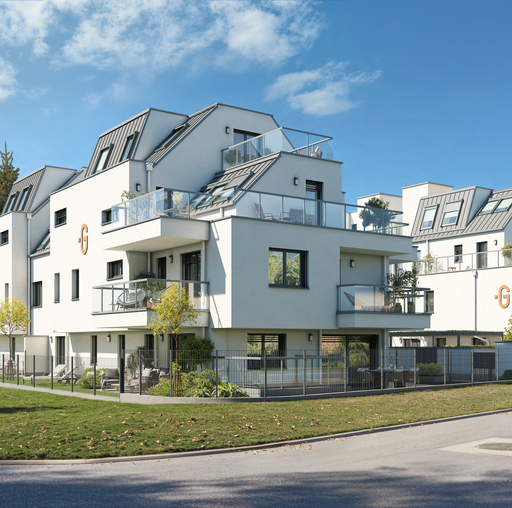
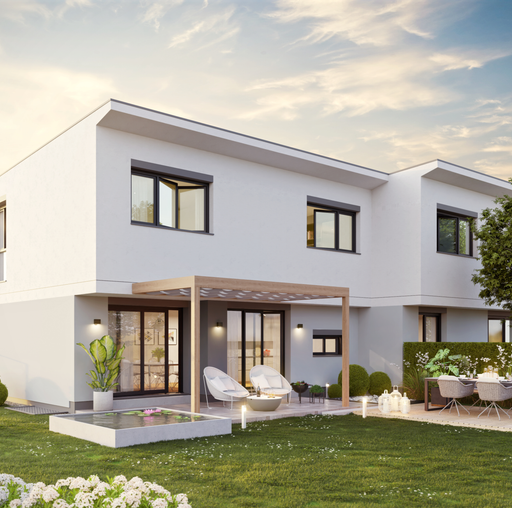
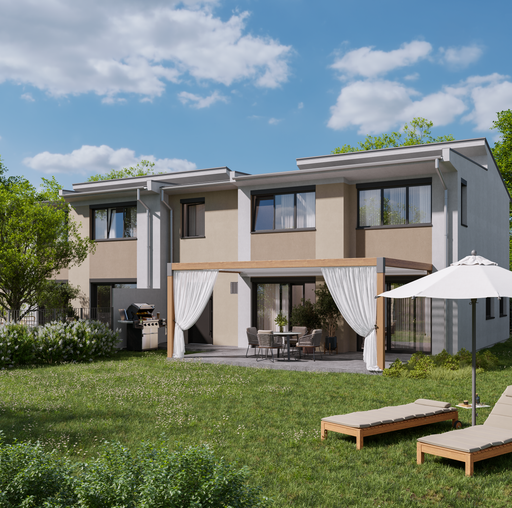
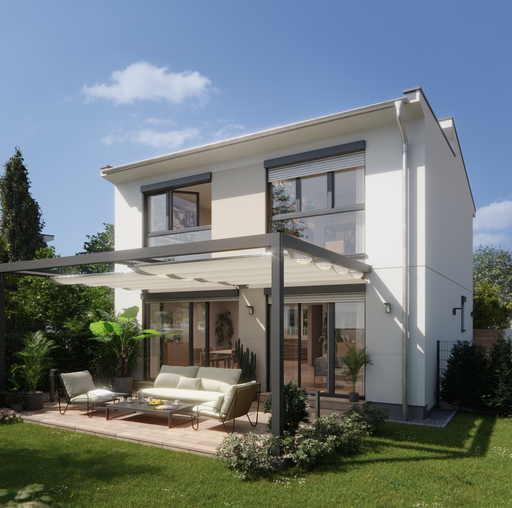
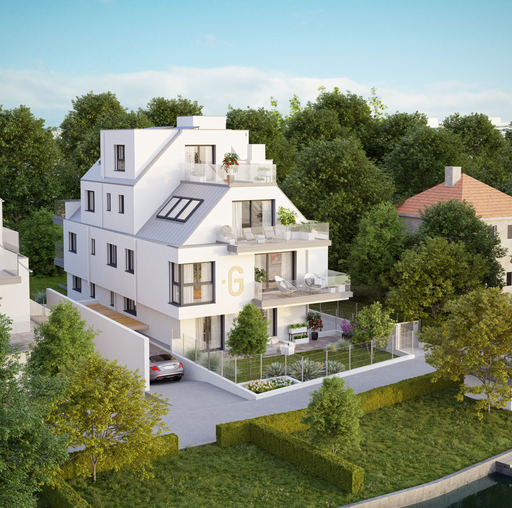
1220 Vienna
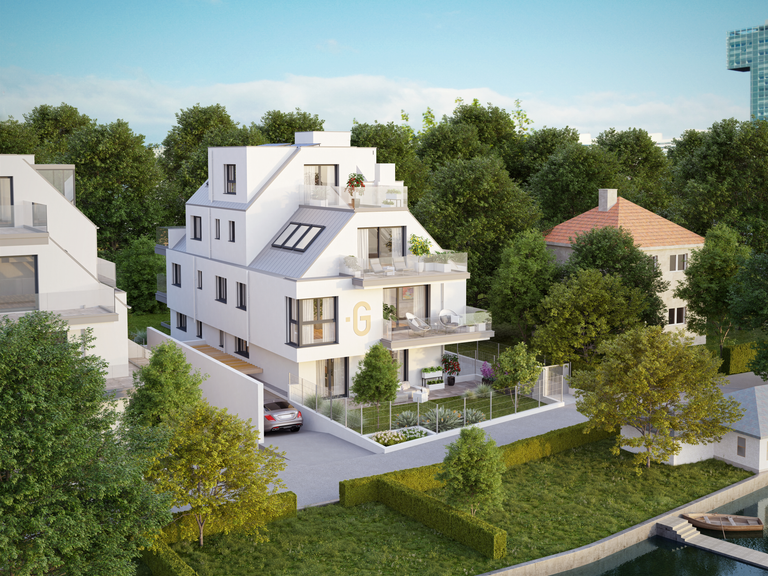
Fischerstrand 22
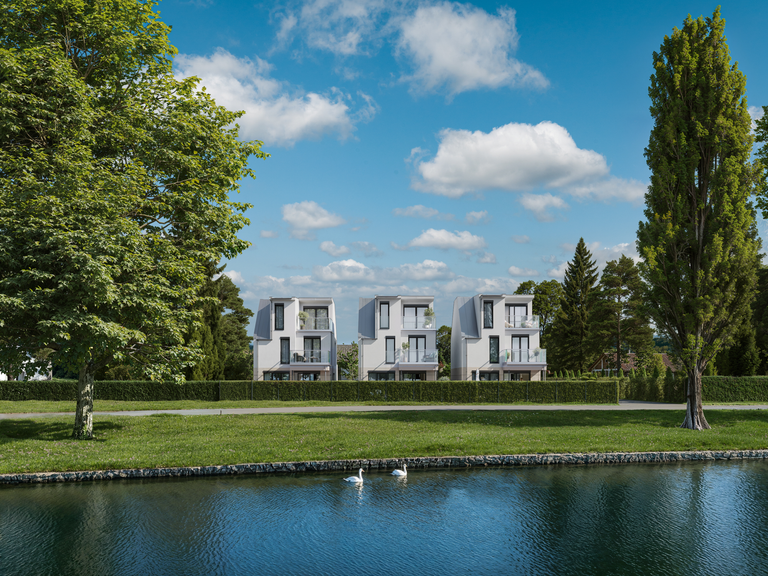
Only 550 m to U1 subway near Alte Donau
4 apartments to buy
- 4 Zimmer
- 165 m²
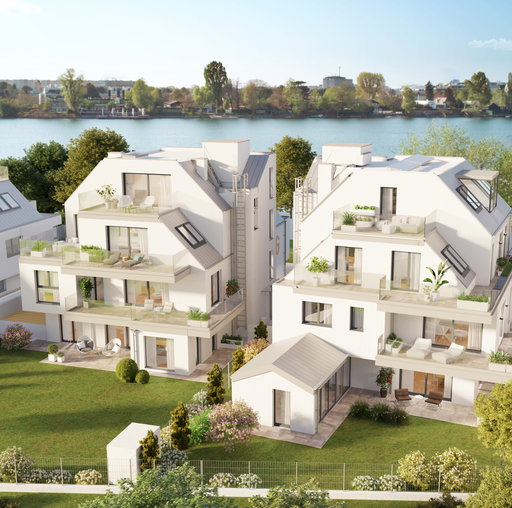
1220 Vienna
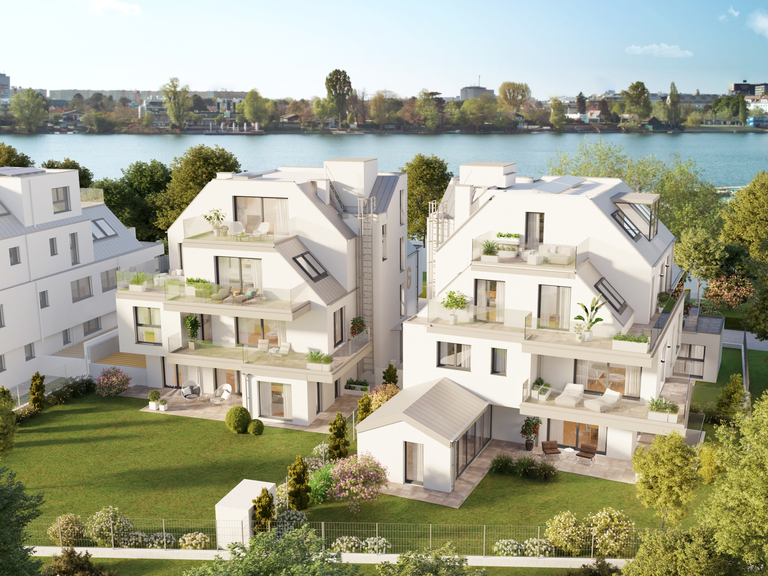
Fischerstrand 24-26
Only 550 m to U1 subway near Alte Donau
10 apartments to buy
- 2-4 rooms
- 70-209 sqm
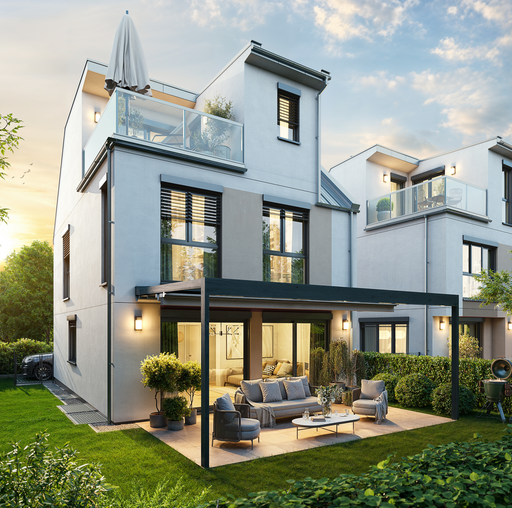
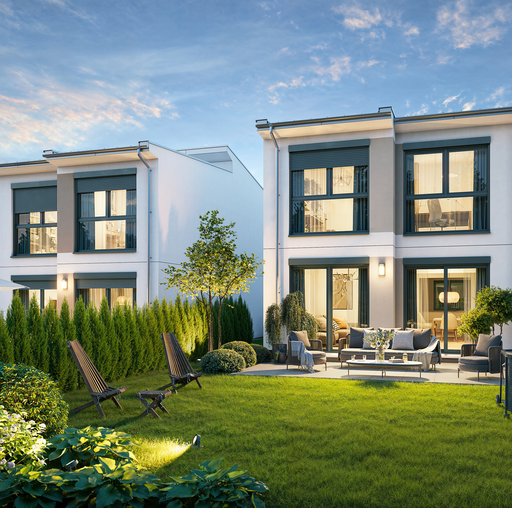

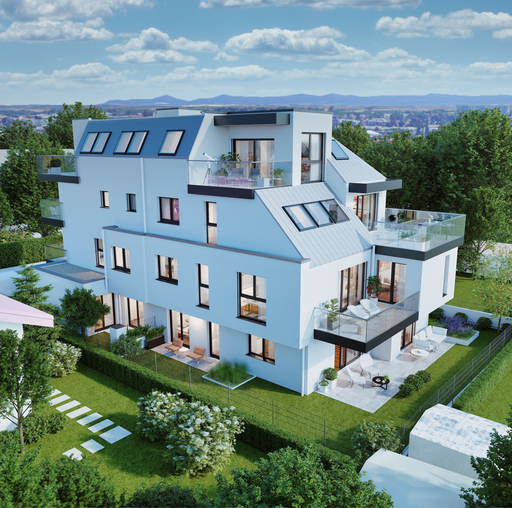
1220 Vienna
Hovenweg 40A
Near the Donau Zentrum, the Alte Donau and the U1
6 apartments to buy
- 4 Zimmer
- 100 m²
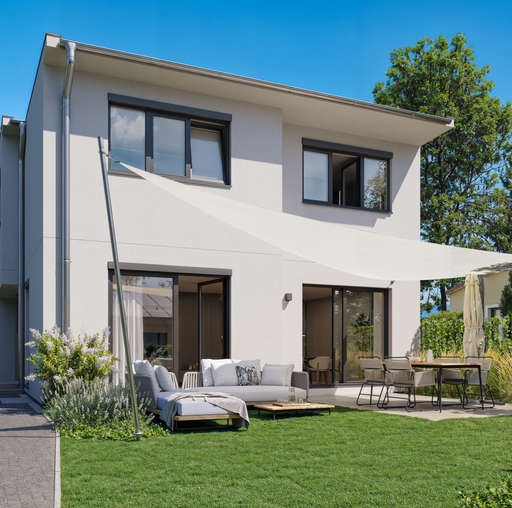
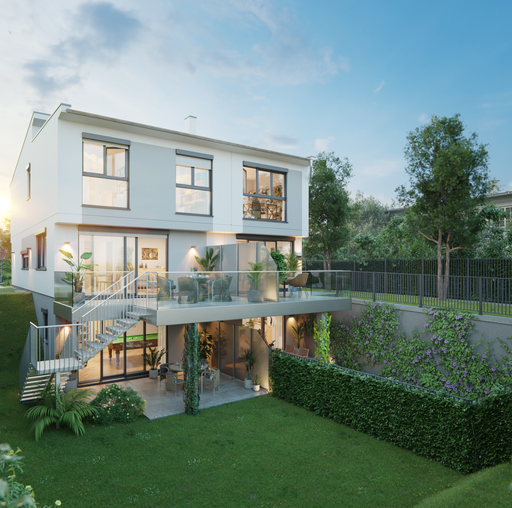
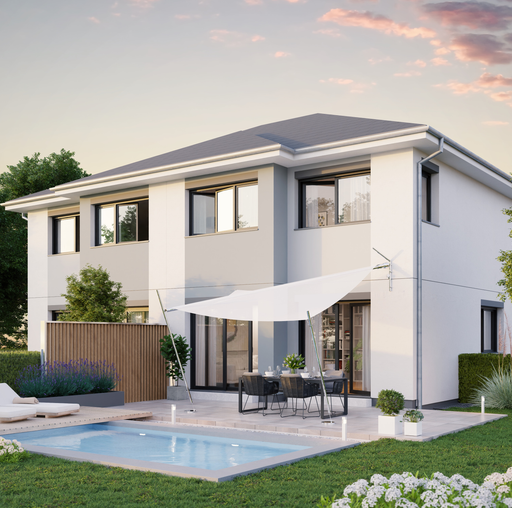
1210 Vienna
Ispergasse 45
2 minutes by bike to U1 and rapid transit station
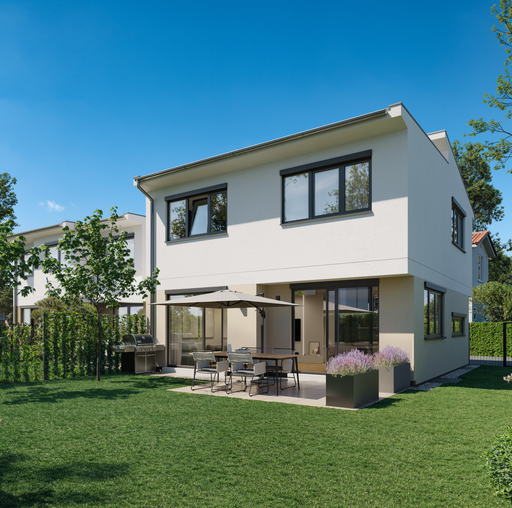
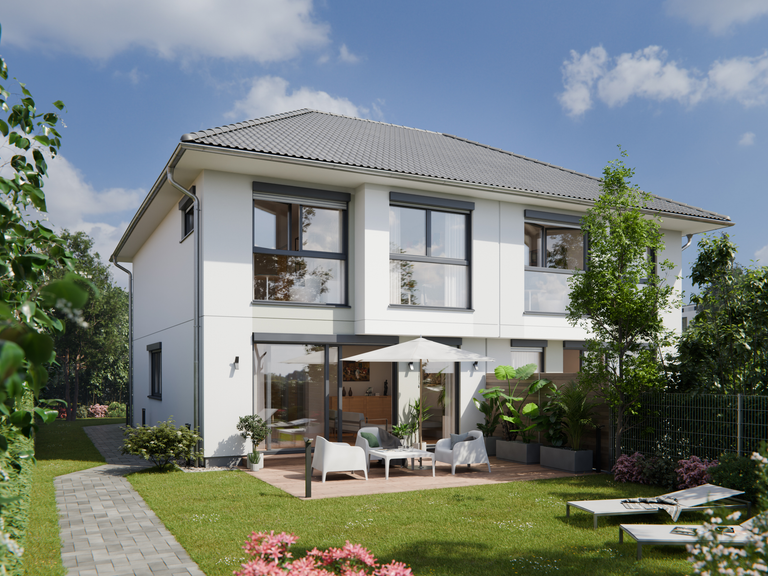
1 semi-detached house
- 4 rooms
- 124 sqm
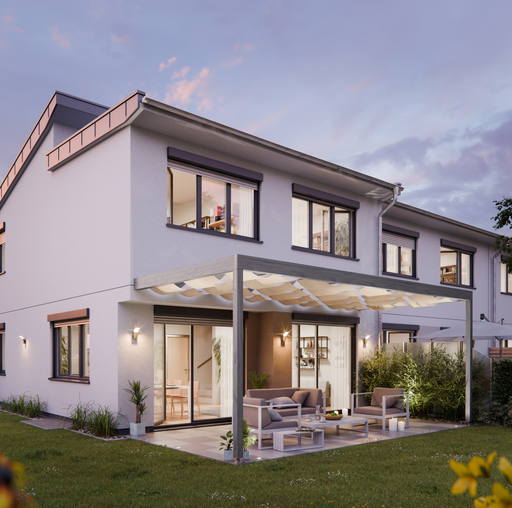
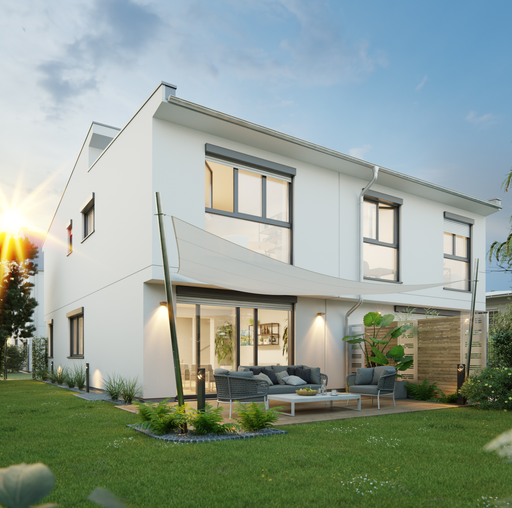
1210 Vienna
Lieleggweg 62-64
In Großjedlersdorf by Marchfeldkanal
1 detached house, 1 semi-detached house
- 4 Zimmer
- 122 m²
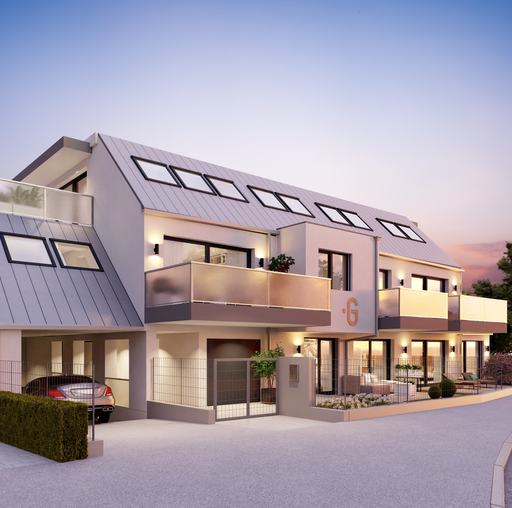
1220 Vienna
Lobaugasse 25
Only 5 minutes by bike to U2 subway
18 apartments to buy
- 2-5 rooms
- 60-163 sqm
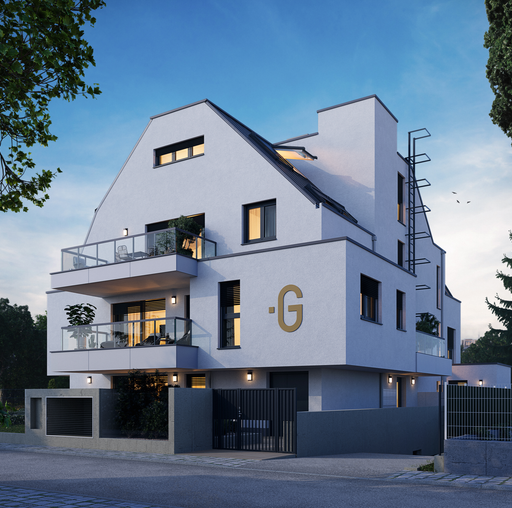
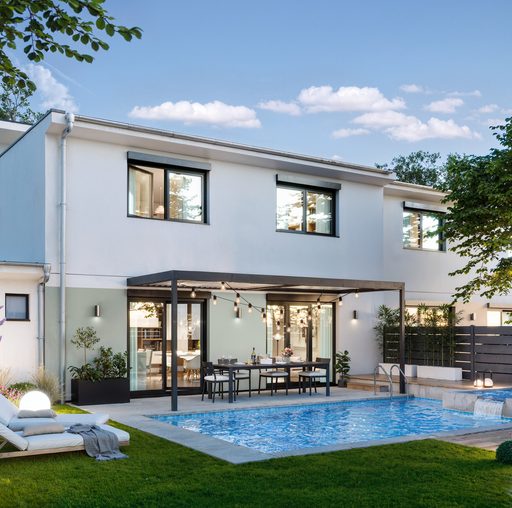
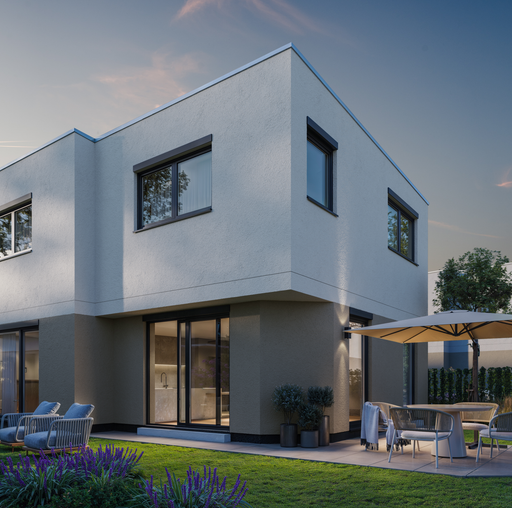
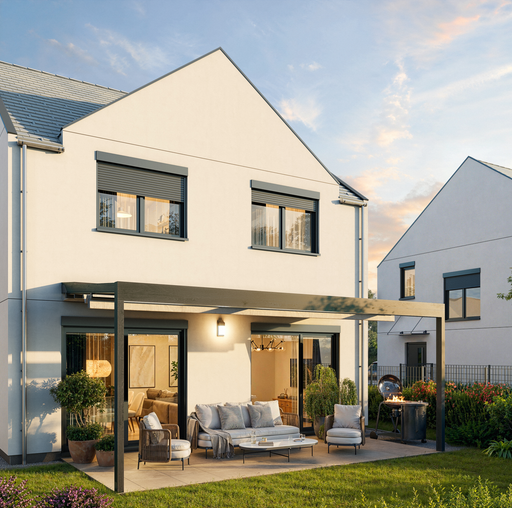
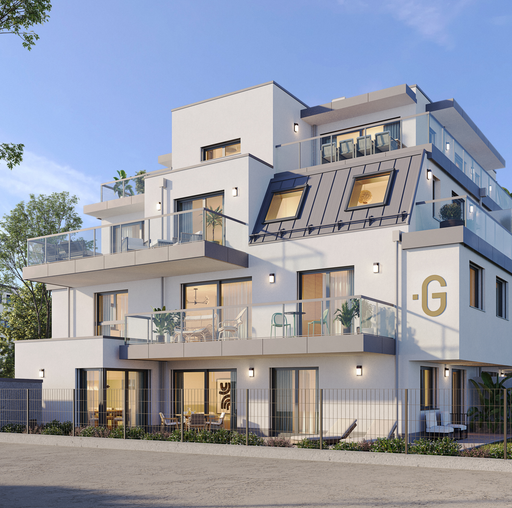
1220 Vienna
Mühlhäufelweg 69
At Mühlwasser, only 7 minutes by bike to the U2
8 apartments to buy
- 4 Zimmer
- 115 m²
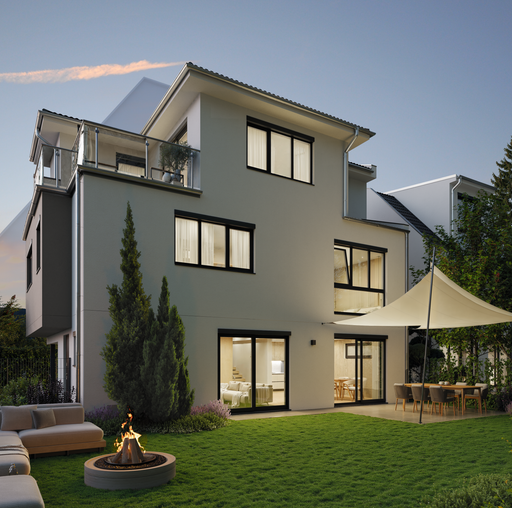
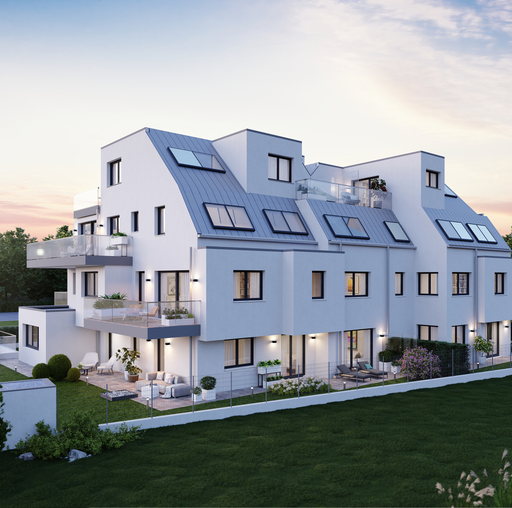
1220 Vienna
Obstgartenweg 15
Near Donau Zentrum, Alte Donau and U1
12 apartments to buy
- 2-4 rooms
- 62-132 sqm
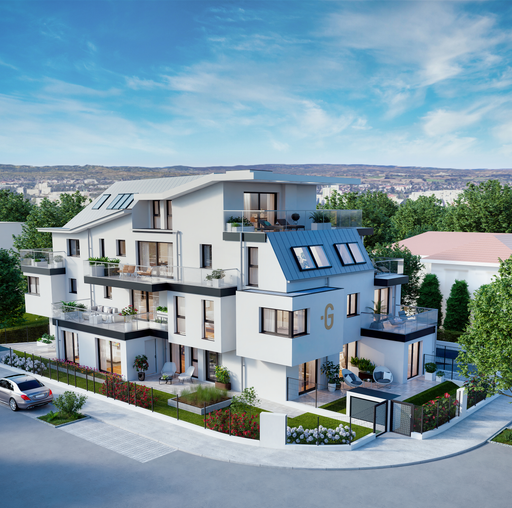
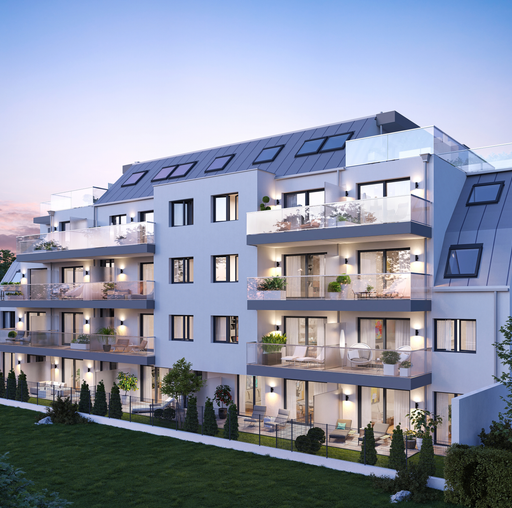
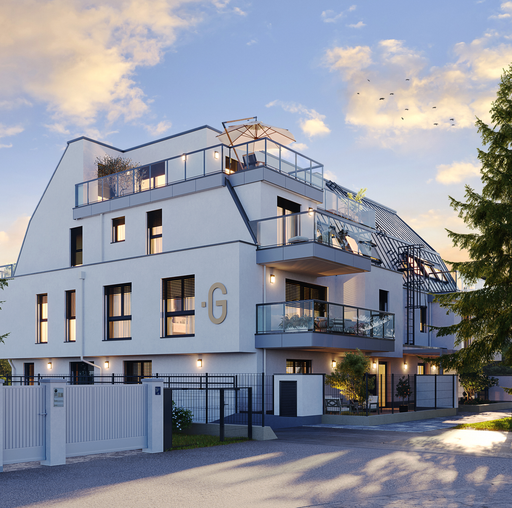
1220 Vienna
Paulitschkegasse 2
Only 350 m to untere Alte Donau
7 apartments to buy
- 2-4 rooms
- 66-169 sqm
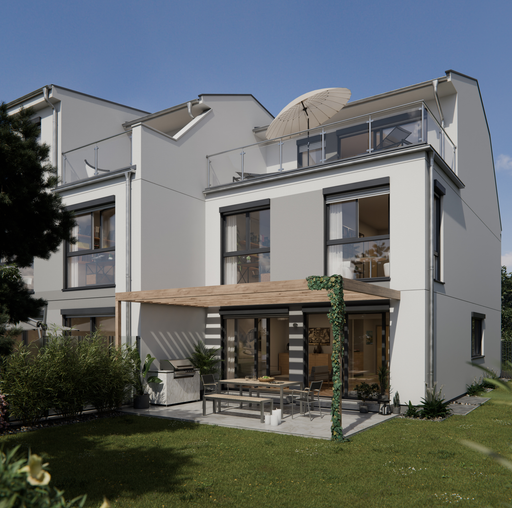
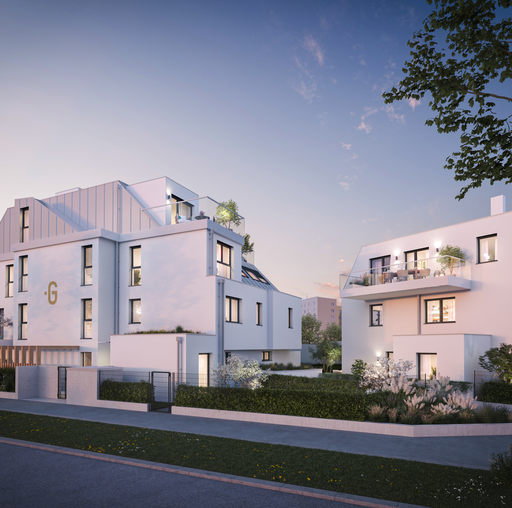
1210 Vienna
Rieglgasse 1
Vis-à-vis U1 subway station Leopoldau
8 apartments to buy, 1 detached house
- 4 Zimmer
- 126 m²
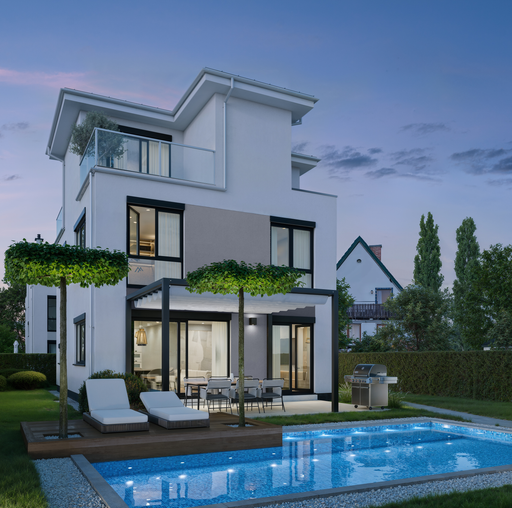
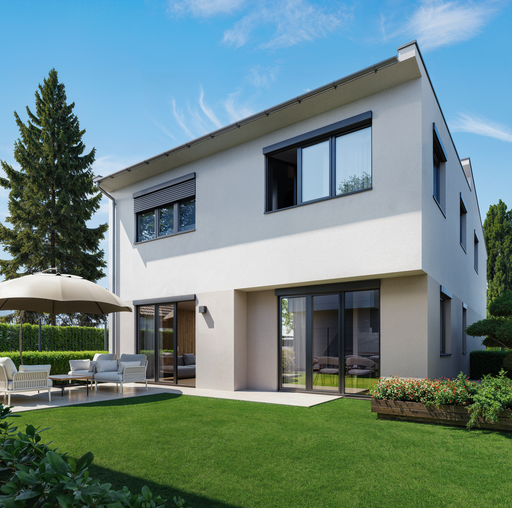
1220 Vienna
Wagramer Straße 76
Near Donau Zentrum, U1, and Alte Donau
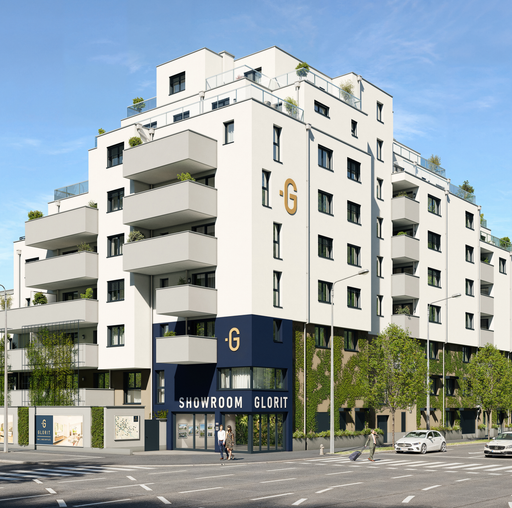
50 apartments to buy
- 2-5 rooms
- 59-183 sqm
No projects found
1210 Vienna
1220 Vienna
-
Ready to move in now
-
Ready to move in now
-
Last unit
-
under construction
-
Ready to move soon
-
Last unit
-
Ready to move in now
-
Last unit
-
Ready to move in now
-
Ready to move in now
-
Ready to move soon
-
Waterfront
-
Last unit
-
New project
-
Last unit
-
Last unit
-
Ready to move in now
-
Ready to move in now
-
Ready to move in now
-
under construction
-
Last unit
-
under construction
-
Ready to move in now
-
Last unit
-
Ready to move in now
-
Ready to move soon
-
Last unit
-
Last unit
-
Ready to move soon
-
under construction
1230 Vienna
3400
Questions? Just ask!
7 days a week, including evenings.<br>Gefällt dir diese Persönlichkeit?