



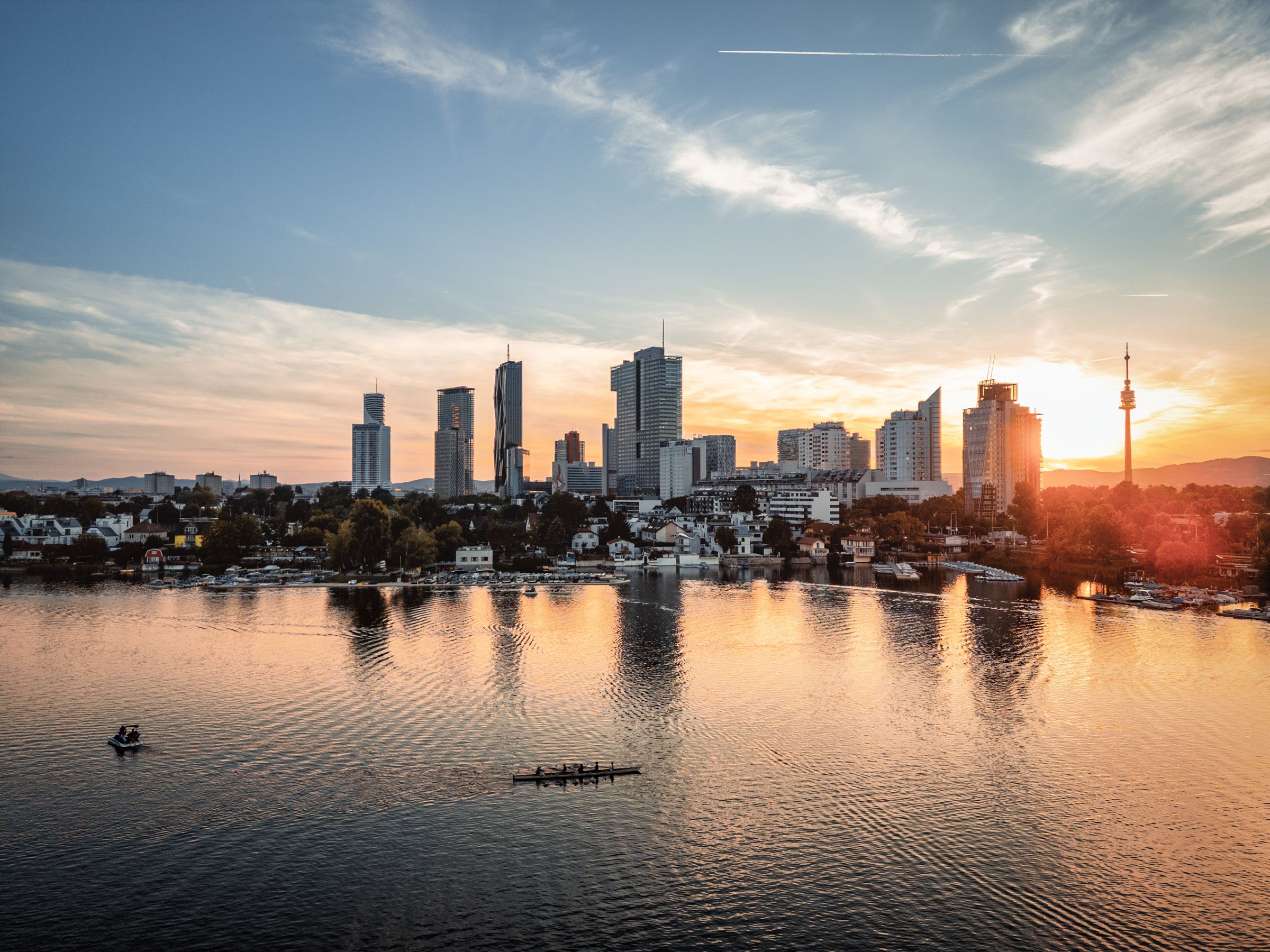
Water right on your doorstep, nature in the heart of the city and the feeling of being on holiday every day: Living by the Alte Donau combines an exceptional quality of life with all the advantages of a major city. Between Floridsdorf and Donaustadt, idyllic waterfront promenades, a wide range of leisure activities and attractive residential neighbourhoods come together.
But what exactly makes the Alte Donau such a special place to live? How good is the local infrastructure? And what should you consider when buying a property near the water? We explain why the Alte Donau is one of Vienna’s most attractive residential areas – and why it is worth looking for your perfect home here.
- 1. Where is the Alte Donau and how well connected is it?
- 2. A place close to your heart: What is life like by the Alte Donau?
- 3. What leisure and recreational activities does the Alte Donau offer?
- 4. Why are properties by the Alte Donau so sought after?
- 5. What should you consider when buying property by the Alte Donau?
- 6. Current new-build developments by the Alte Donau
Key facts at a glance
- Exceptional waterfront location: Covering approximately 1.6 square kilometres, the Alte Donau stretches across Vienna’s Floridsdorf and Donaustadt districts and is one of the city’s most important recreational areas.
- Outstanding quality of life: Swimming, stand-up paddleboarding, cycling, walking and relaxing by the water are all part of everyday life here. According to the City of Vienna, the Alte Donau attracts an average of more than one million swimmers and visitors to its bathing areas every year.
- Nature meets city life: Residential areas near the U1 underground line benefit from a direct connection to Vienna’s city centre. At the same time, the surrounding neighbourhoods offer a variety of opportunities for peaceful living close to nature.
- Attractive property location: The exceptional quality of the location and the limited supply of properties directly by the water make the Alte Donau particularly appealing to homebuyers.
- The exact location matters: Water views, outdoor spaces, transport connections, fittings and finishes, and land ownership arrangements are all important factors when choosing the right property.
- Premium living with Glorit: As an experienced Viennese property developer, Glorit creates high-quality houses and turnkey freehold apartments in carefully selected locations around the Alte Donau.
Where is the Alte Donau and how well connected is it?
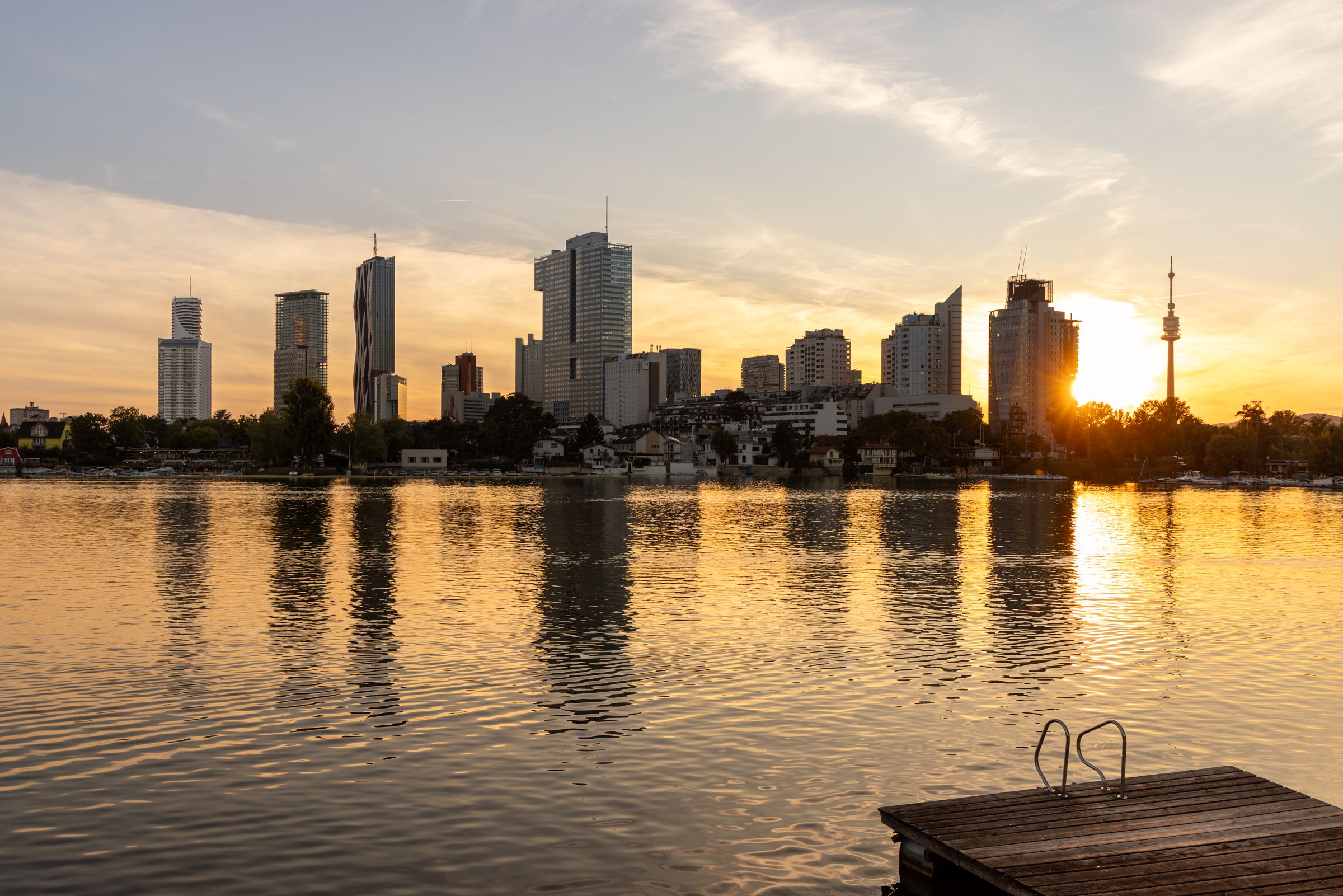
The Alte Donau is located in the north-east of Vienna, extending across parts of the 21st district (Floridsdorf) and the 22nd district (Donaustadt). Once a branch of the River Danube, it is now a still-water lake and one of the Austrian capital’s most popular leisure and recreational areas.
With a surface area of approximately 1.6 square kilometres – equivalent to more than 200 football pitches – the Alte Donau offers plenty of space for swimming, boating and relaxation. It is divided into two main sections: the Obere Alte Donau (Upper Old Danube) and the Untere Alte Donau (Lower Old Danube).
According to the City of Vienna, an average of more than one million people visit its bathing areas every year. For those fortunate enough to live nearby, this recreational paradise is not just a weekend destination – it is right on their doorstep.
Getting from the Alte Donau to Vienna’s city centre
One of the main advantages of many residential locations around the Alte Donau is the combination of living close to nature and excellent public transport connections. The U1 underground station Alte Donau provides a direct connection to Stephansplatz in the heart of Vienna. The U1 stations Kagran and Kaisermühlen-VIC are also important transport hubs for certain residential areas.
Depending on the exact address, the surrounding neighbourhoods also offer shops, schools, nurseries, restaurants and other everyday amenities. Donau Zentrum in Kagran, with more than 260 shops, is one of the largest shopping destinations in the area.
A place close to your heart: What is life like by the Alte Donau?
Living by the Alte Donau means enjoying close proximity to the water, a wide range of leisure activities and a unique combination of tranquillity and urban life. For many residents, relaxation begins before they even get home – with a stroll along the waterfront after work.
One Glorit customer perfectly sums up what makes living here so special:
Living here always feels a little like being on holiday.
And this is exactly the feeling we hear about time and again when talking to our customers. They tell us about the views of the greenery, spontaneous swimming trips, relaxing hours on the terrace and how effortlessly leisure and relaxation become part of everyday life.
A home that feels like a holiday
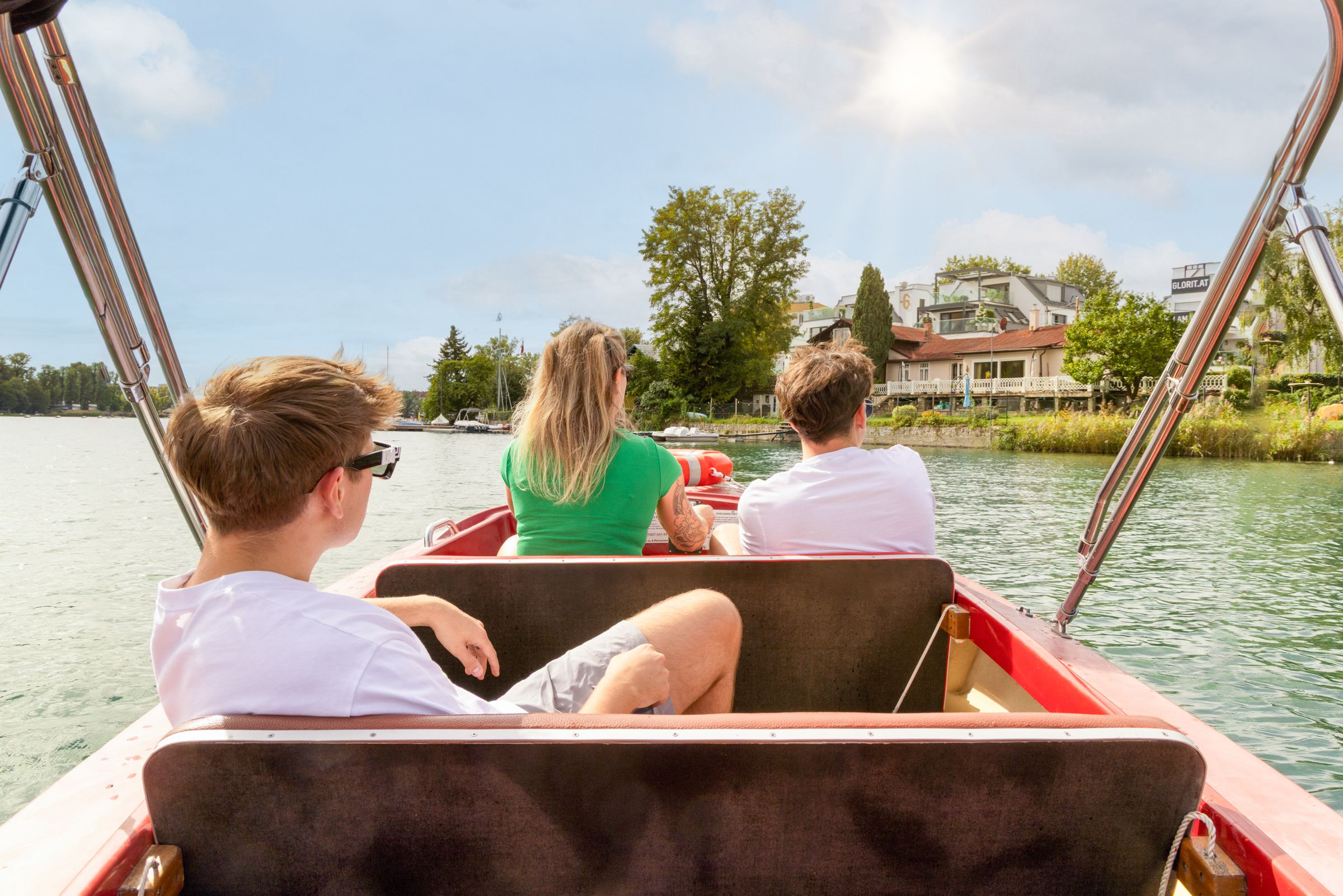
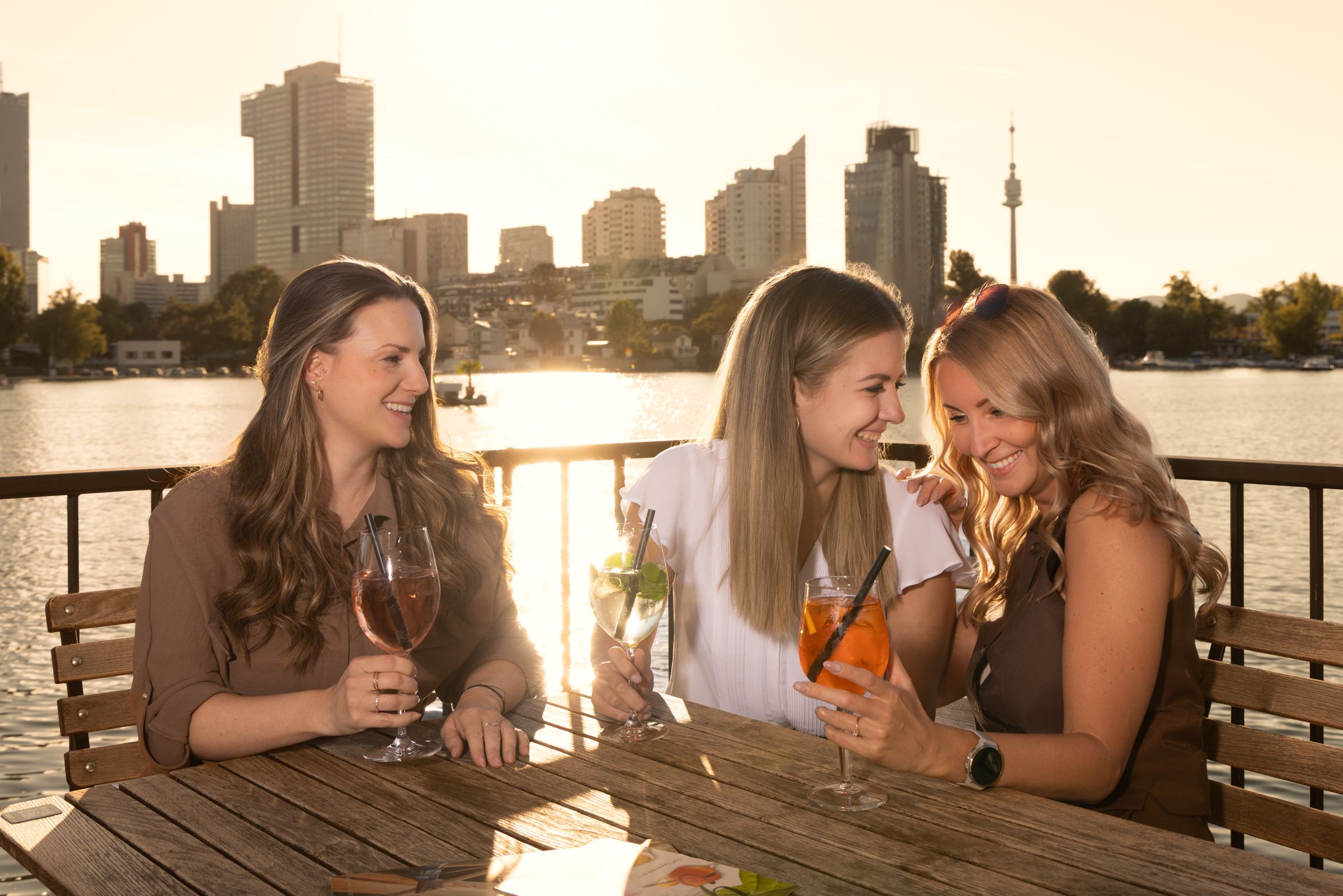
Enjoy your first cup of coffee on the balcony in the morning. Go for a run along the water after work. Take a refreshing dip on a warm summer’s day or end the evening with a delicious meal at one of the waterfront restaurants overlooking the Alte Donau. What sounds like a weekend getaway elsewhere can become part of your daily routine here.
Residents particularly appreciate:
- Living close to nature: Water, green spaces and walking paths provide plenty of opportunities for relaxation and exercise.
- Leisure activities right on your doorstep: From swimming to a leisurely bike ride, there is plenty to enjoy without travelling far.
- A variety of residential settings: Quiet side streets, neighbourhoods close to the water and selected properties with direct water views offer different living experiences.
- Short distances: Well-connected locations make it easy to combine work, leisure and city life.
The experience of one Glorit customer family shows just how special life by the Alte Donau can be:
The Breitenfelder family
I always thought you had to move south to find a dream apartment right by the water. How wrong I was! We still live in Vienna, yet we get to enjoy a wonderful beach atmosphere by the Alte Donau. It was exactly what we were looking for, and we quickly found it with Glorit.
It is personal stories like these that show what truly makes a residential location special: not just the address, but above all the lifestyle that comes with it.
What leisure and recreational activities does the Alte Donau offer?
The Alte Donau is much more than a beautiful backdrop. It is one of Vienna’s most important recreational areas, offering opportunities to stay active or simply unwind throughout the year.
From swimming to water sports
On warm days, the Alte Donau transforms into a true leisure paradise. Swimming enthusiasts can enjoy numerous public access points to the water as well as the famous Gänsehäufel lido.
The surrounding area also has plenty to offer sports enthusiasts:
- Swimming and sunbathing
- Stand-up paddleboarding and rowing
- Sailing and boating
- Cycling and running
- Inline skating and long walks
- Winter walks and, when conditions allow, cold-water swimming
The City of Vienna provides information on numerous public access points to the water, jetties and sunbathing areas. The lake’s ecological importance is another special feature: aquatic plants help maintain water quality, while reed beds and shoreline areas provide important habitats for animals and plants.
Dining by the water: Restaurants along the Alte Donau
And what does the Alte Donau taste like? Just as varied as the experiences it offers. Anyone strolling along the waterfront can discover a wide range of culinary delights – from traditional Viennese cuisine at Strandbeisl Selbstverständlich, Alte Kaisermühle or Strandgasthaus Birner to a romantic dinner with a view at Das Bootshaus or La Creperie.
Looking for more insider tips? We have plenty – and would be delighted to share them with you in person. 😉
And the best part? If you live by the Alte Donau, you will never have to travel far to enjoy them.


Why are properties by the Alte Donau so sought after?
Properties by the Alte Donau combine several highly desirable location features: proximity to the water, attractive leisure opportunities, well-connected residential areas and a limited supply of plots directly along the waterfront.
This combination makes the area appealing both to owner-occupiers and to those looking to invest in property for the long term.
Waterfront locations offer unique advantages
Not every residential area in Vienna can offer immediate access to a large natural and recreational area. Locations that combine attractive outdoor spaces with good transport connections are even harder to find.
The following features can therefore be particularly important to buyers:
- Proximity to the water: Being just a short walk from the Alte Donau expands leisure opportunities and can significantly enhance everyday quality of life.
- Limited availability: Waterfront plots are a finite resource and cannot simply be created elsewhere.
- Attractive surroundings: Quiet residential streets, green views, outdoor spaces and good accessibility can all increase a property’s appeal.
- High living standards: Modern new-build properties with well-designed layouts, premium fittings and contemporary building technology appeal to discerning buyers.
- Long-term residential appeal: The combination of nature, infrastructure and urban surroundings makes the location attractive across different stages of life.
How is Vienna’s property market developing?
Vienna is growing – and with it, the long-term need for housing. According to Statistics Austria’s 2025 population forecast, the city’s average population could increase from around 2.02 million in 2024 to approximately 2.11 million by 2030.
At the same time, residential construction has slowed in recent years. In its September 2026 residential property market report, the Oesterreichische Nationalbank (OeNB) confirms that higher interest rates since 2022 have contributed to a decline in construction activity.
What does this mean in practice? While Vienna continues to grow and needs additional housing, the slowdown in new construction means fewer new homes are being built than during previous boom years. If this trend continues, the supply of available properties could become more limited, increasing competition for attractive homes – particularly in sought-after locations such as the Alte Donau, where suitable building plots are already scarce.
How attractive is a property by the Alte Donau in the long term?
The unique qualities of the Alte Donau are not limited to a particular season. The lake is a permanent recreational area, the surrounding residential neighbourhoods are well established, and proximity to the city remains a major advantage.
This makes the Alte Donau an interesting location not only for owner-occupiers but also for property investors. The combination of a high quality of life, good infrastructure and limited availability of waterfront properties creates attractive conditions for long-term property investment.
However, the quality of the individual property remains crucial. A modern new-build apartment with a well-designed layout, an energy-efficient heating and cooling system, and high-quality construction can offer a very different everyday living experience from another property in the same neighbourhood.
Glorit: A leading name in waterfront living
Waterfront locations are a central part of our business strategy. We have now completed countless house and residential developments around the Alte Donau and are the clear market leader in this segment. We currently offer our customers more than 20 developments in the immediate vicinity of the Alte Donau.
What should you consider when buying property by the Alte Donau?
For many people, buying an apartment or house by the Alte Donau is a dream come true. To ensure that your dream of living by the water also becomes a great home for the long term, it is worth taking a closer look at both the property and its surroundings.
After all, not every property near the Alte Donau automatically offers the same advantages.
The exact location makes all the difference
Is the apartment or house directly by the water or a few minutes’ walk away? How busy is the road outside? Is the nearest underground station easy to reach? And what about sunlight, views and privacy?
When searching for a property, pay particular attention to the following criteria:
- Water views and distance: Does the property offer a direct view of the Alte Donau or easy access to a swimming area?
- Outdoor spaces: Does the property have a balcony, terrace, garden or rooftop terrace?
- Transport connections: How far away are the nearest underground station, bus stops or other public transport options?
- Local amenities: Are shops, schools, nurseries and other everyday facilities within easy walking distance?
- Peace and privacy: How do road traffic and the increased number of visitors during summer affect the immediate surroundings?
- Construction quality and fittings: What materials, heating and cooling systems, and energy efficiency standards does the property offer?
- Land ownership arrangements: Is the property built on freehold land or held under building rights?
Freehold land or leasehold land: What is the difference?
Anyone looking at properties around the Alte Donau may come across the term leasehold land or building rights (Baurecht). But what exactly does this mean, and what are the advantages for buyers?
Put simply, when purchasing a property under building rights, you acquire the house or apartment and are registered as the owner in the land register. The land itself remains the property of the landowner, known as the building rights grantor. In return, an ongoing ground rent is agreed, which is paid to the landowner.
Under Austrian building rights law, building rights can be established for a period of between 10 and 100 years. Once the agreed term expires, the building generally reverts to the landowner. An extension can be negotiated with the building rights grantor in advance.
The main advantage: Because you do not have to finance the purchase of the land itself, a property held under building rights can be significantly more affordable than a comparable property on freehold land. Particularly in highly sought-after residential locations, this provides an opportunity to acquire high-quality property without having to finance the full value of the land.
Did you know?
- Around 15% of Glorit developments are built on land held under building rights.
- At Glorit developments, building rights generally have a term of 100 years.
- The building rights grantors for Glorit developments are often a municipality or the Augustinian Canons’ Monastery of Klosterneuburg.
Current new-build developments by the Alte Donau
Anyone choosing to live by the Alte Donau is opting for one of Vienna’s most sought-after residential locations – with an exceptional quality of life, natural surroundings and lasting appeal.
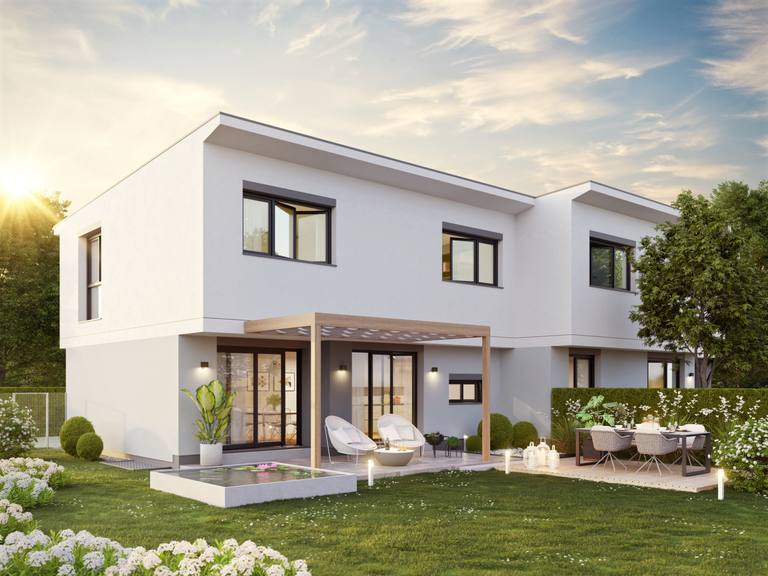
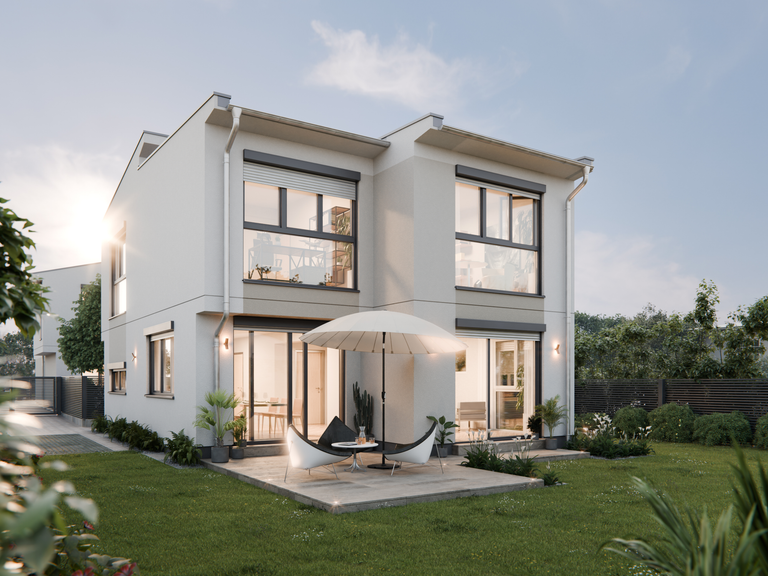
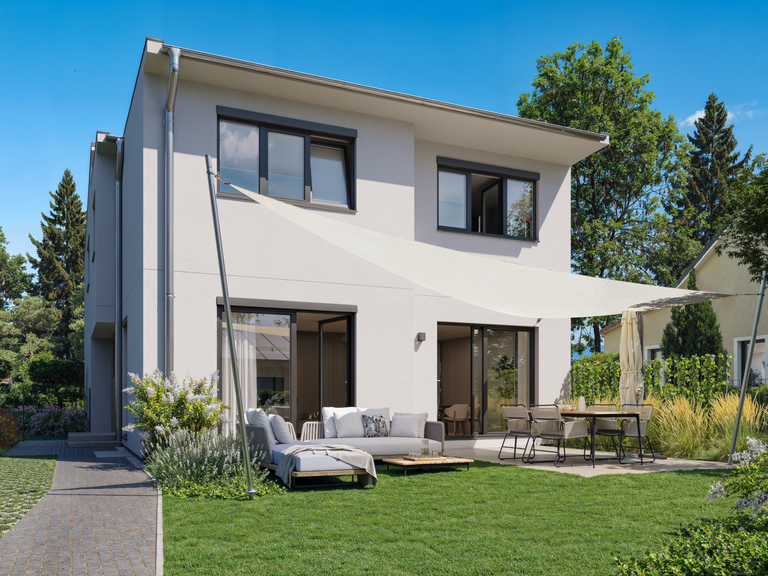
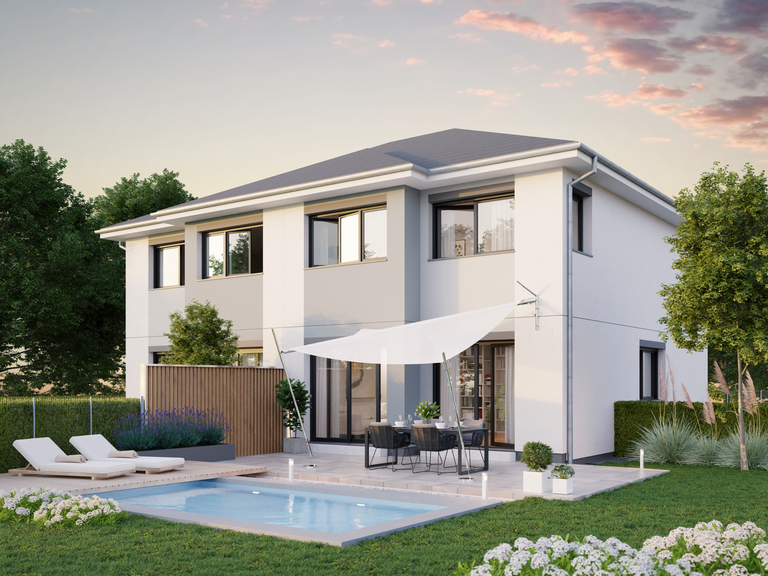
As a premium property developer, Glorit offers turnkey apartments and houses in carefully selected locations around the Alte Donau. High-quality construction, premium materials and a comprehensive, worry-free service from planning through to handover create a home with lasting value – and an investment in quality of life and the future.
Search
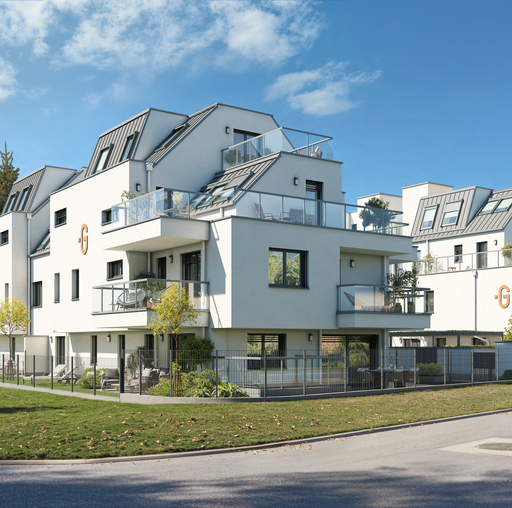
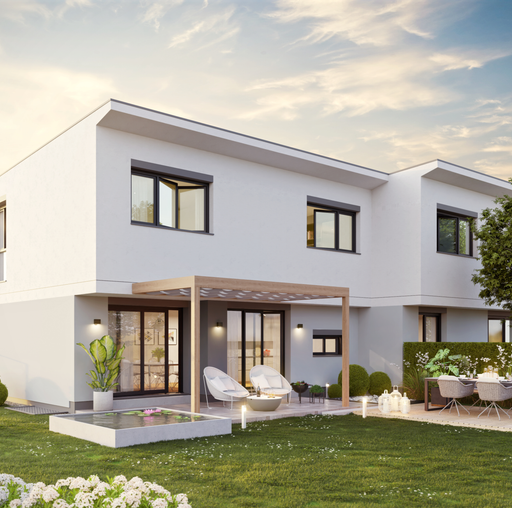
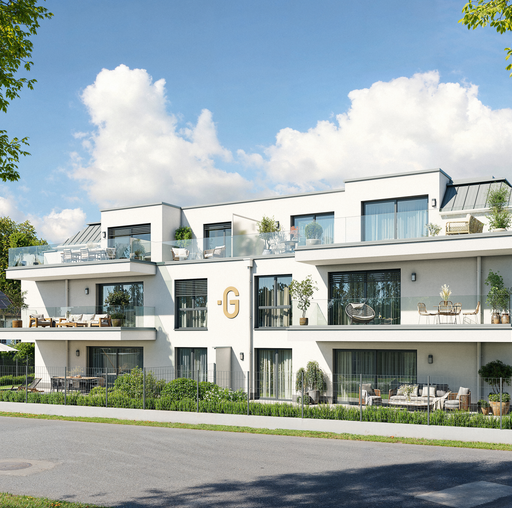
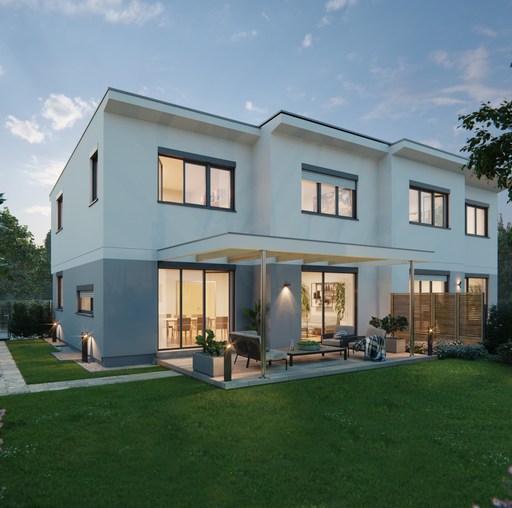
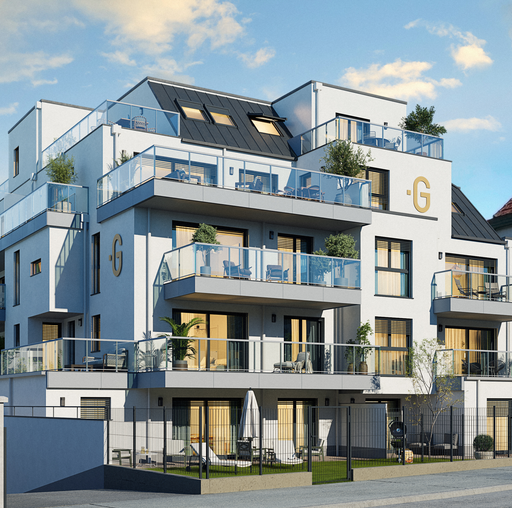
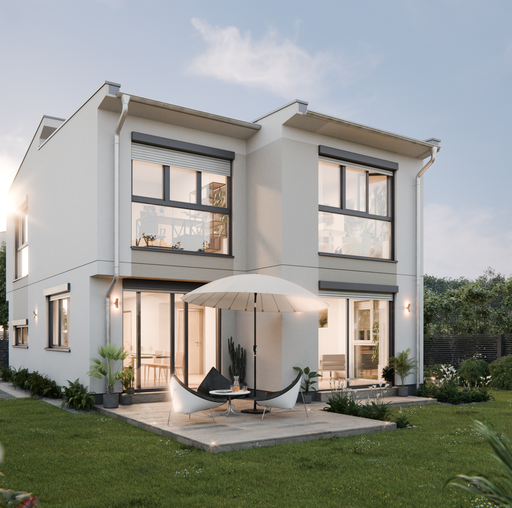
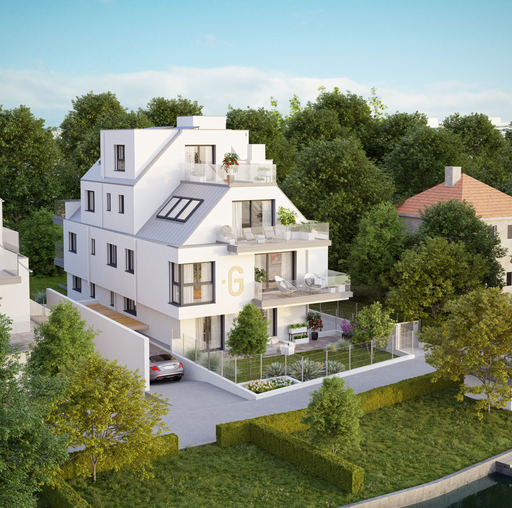
1220 Vienna
Fischerstrand 22
Only 550 m to U1 subway near Alte Donau
- 4 Zimmer
- 165 m²
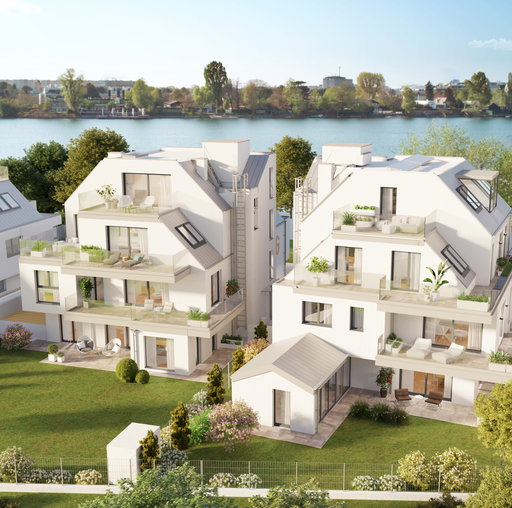
1220 Vienna
Fischerstrand 24-26
Only 550 m to U1 subway near Alte Donau
- 2-4 rooms
- 70-209 sqm
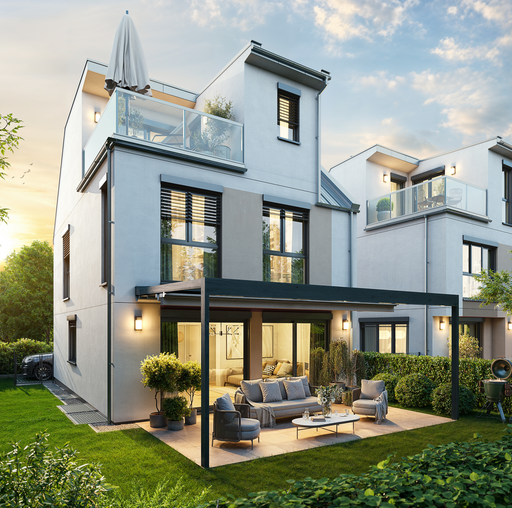
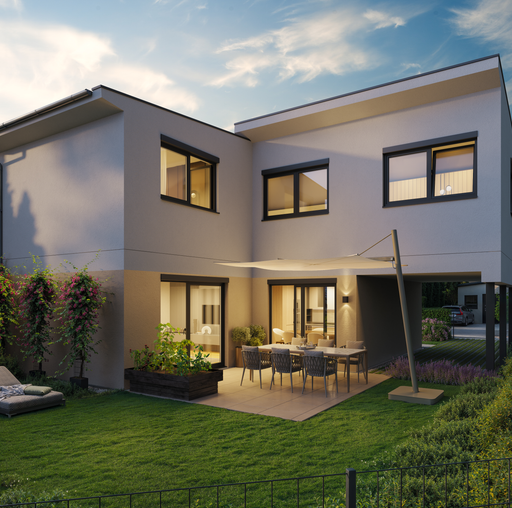
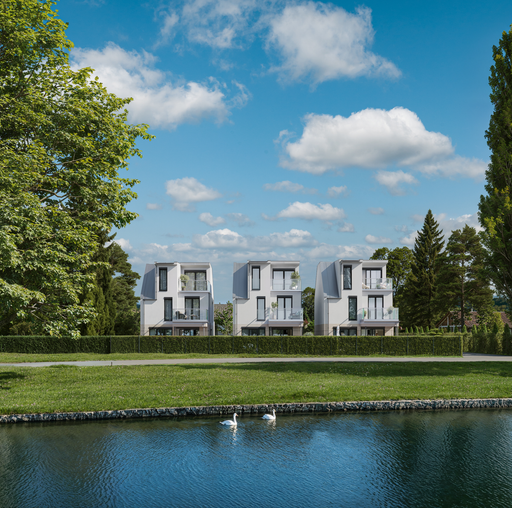
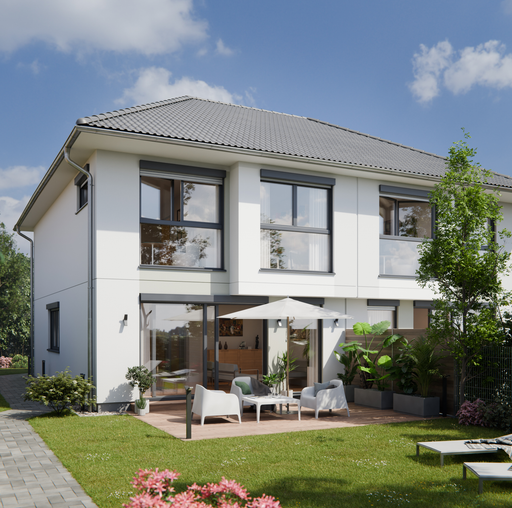
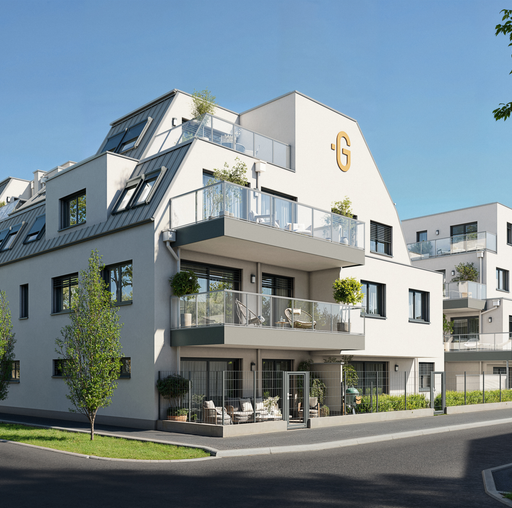
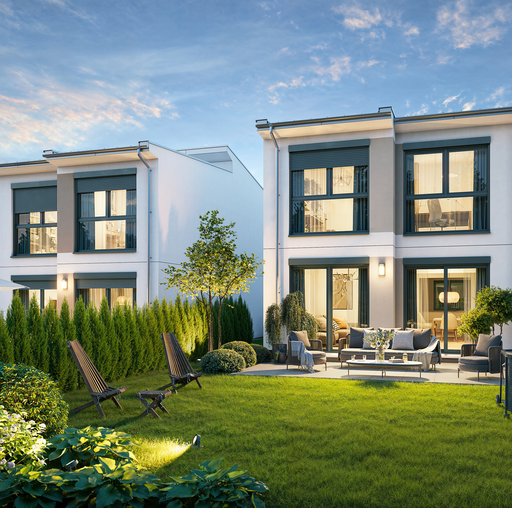
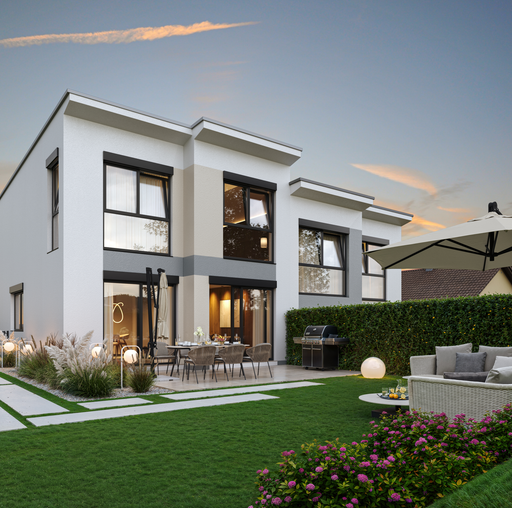
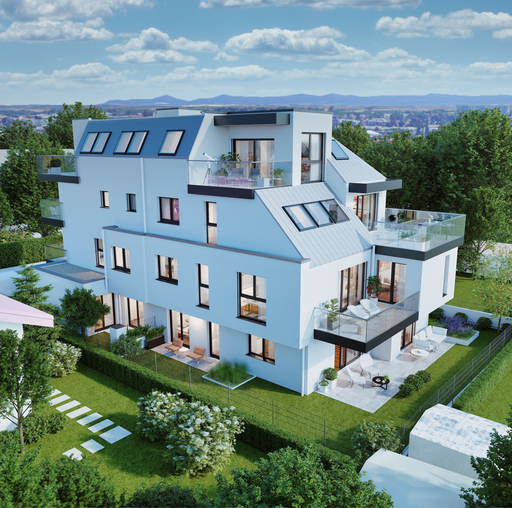
1220 Vienna
Hovenweg 40A
Near the Donau Zentrum, the Alte Donau and the U1
- 4 Zimmer
- 100 m²
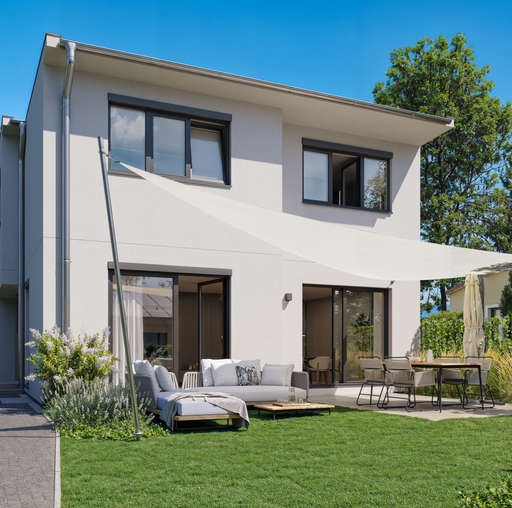
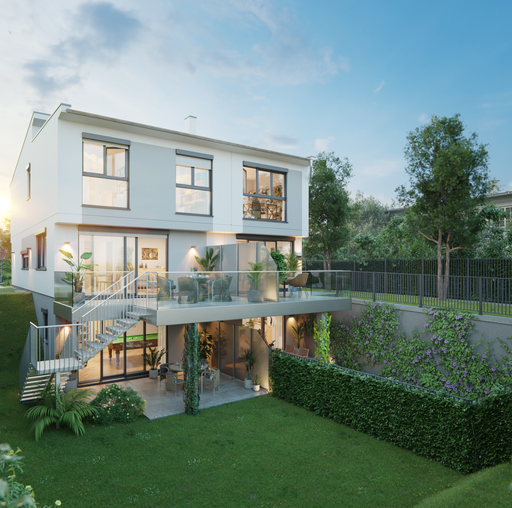
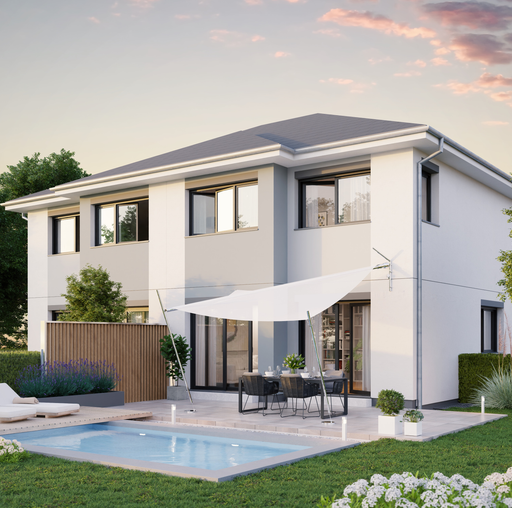
1210 Vienna
Ispergasse 45
2 minutes by bike to U1 and rapid transit station
- 4 rooms
- 124 sqm
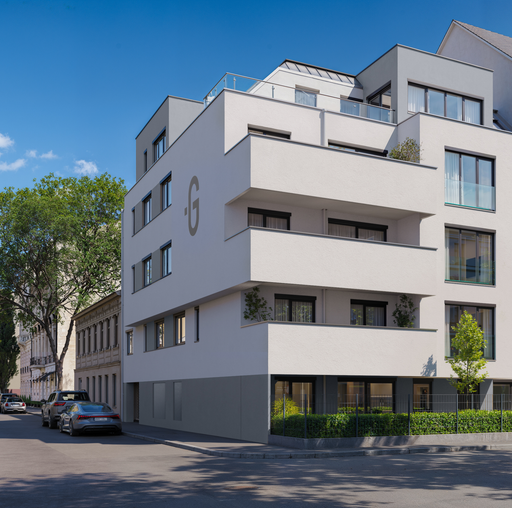
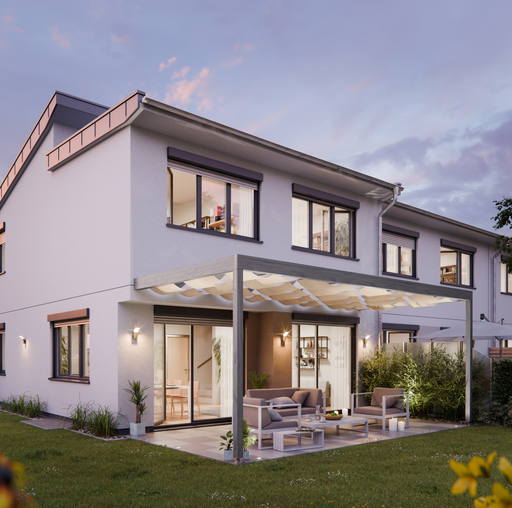
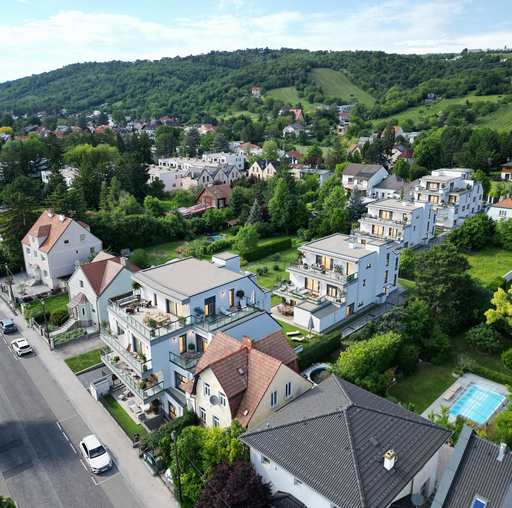
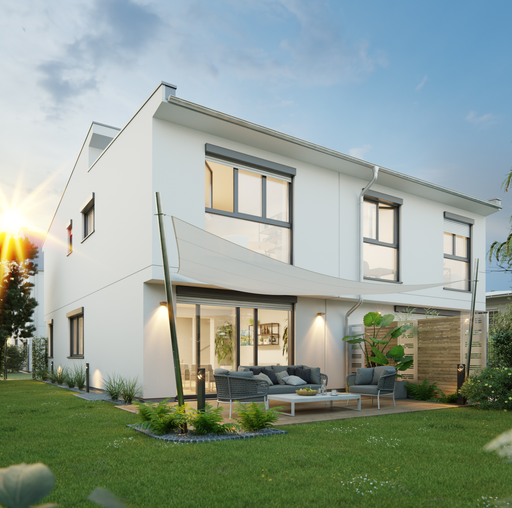
1210 Vienna
Lieleggweg 62-64
In Großjedlersdorf by Marchfeldkanal
- 4 Zimmer
- 122 m²
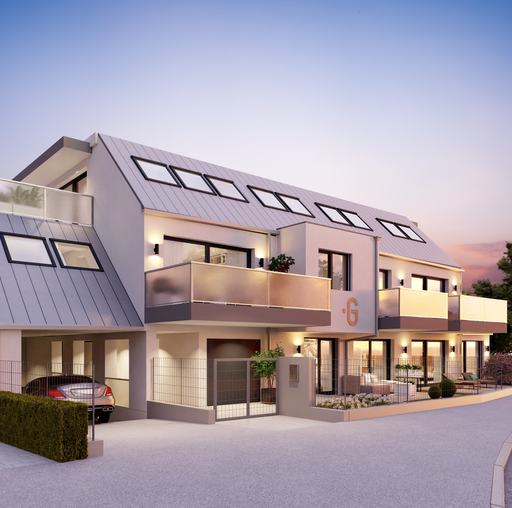
1220 Vienna
Lobaugasse 25
Only 5 minutes by bike to U2 subway
- 2-5 rooms
- 60-163 sqm
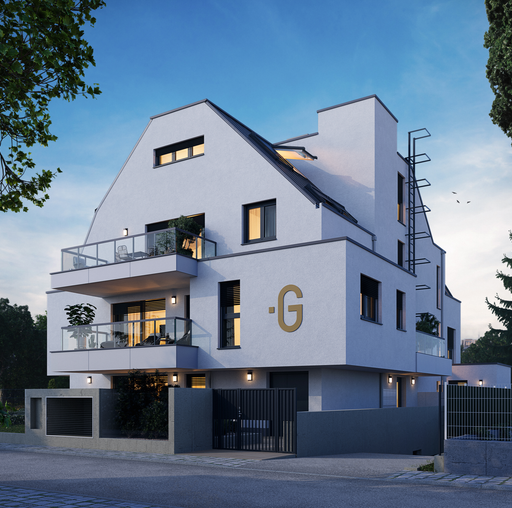
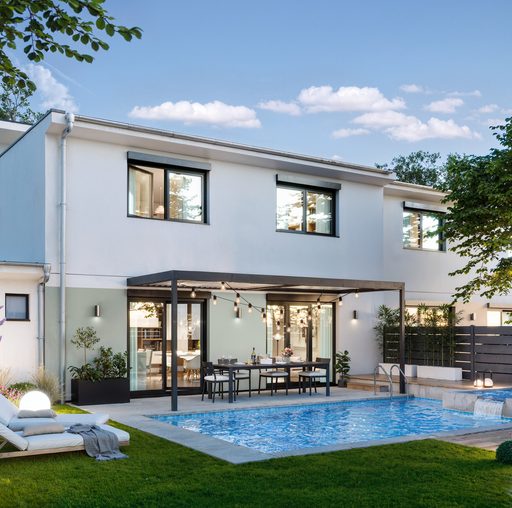
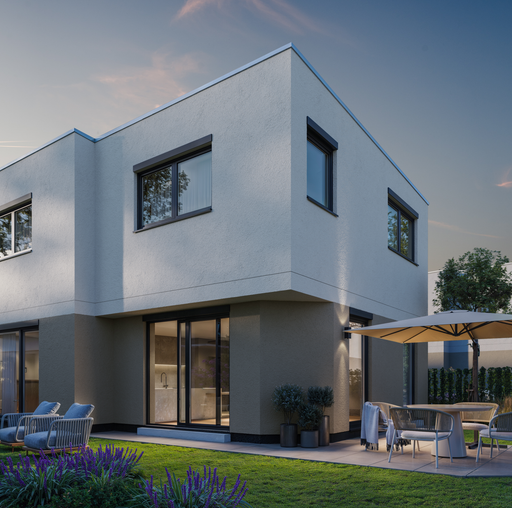
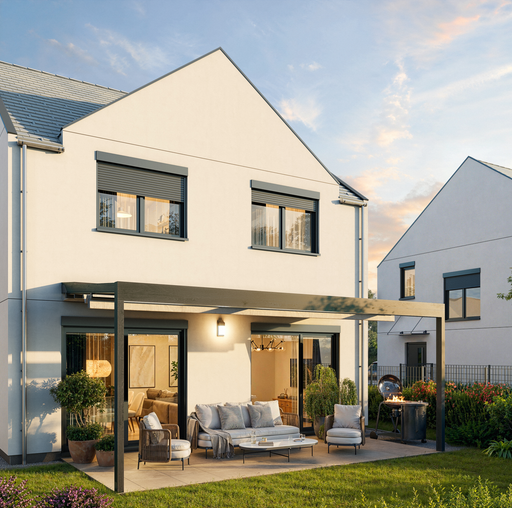
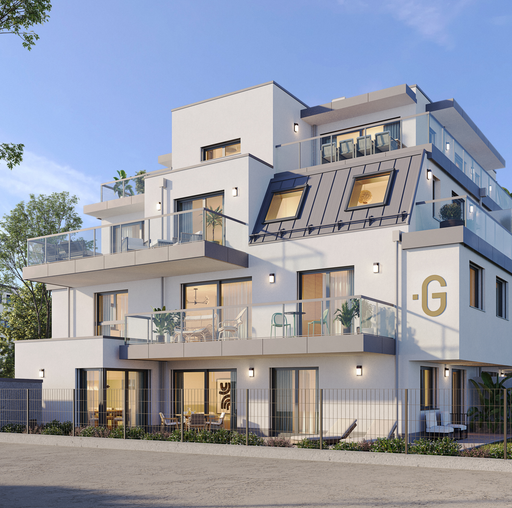
1220 Vienna
Mühlhäufelweg 69
At Mühlwasser, only 7 minutes by bike to the U2
- 4 Zimmer
- 115 m²
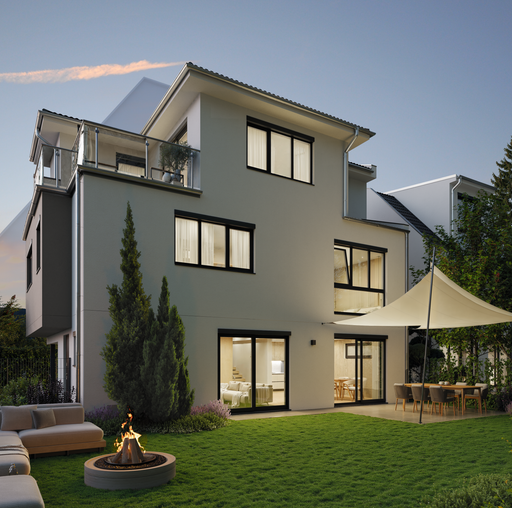
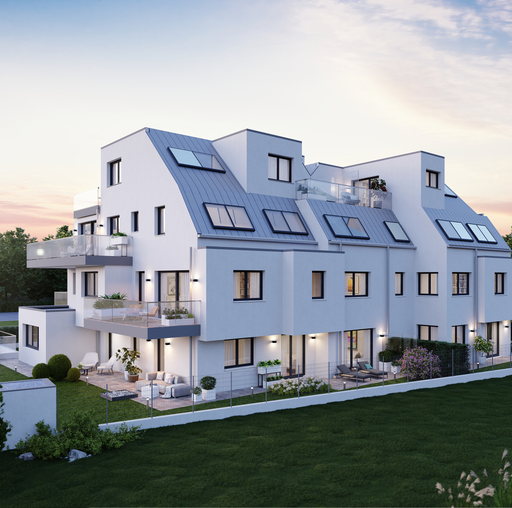
1220 Vienna
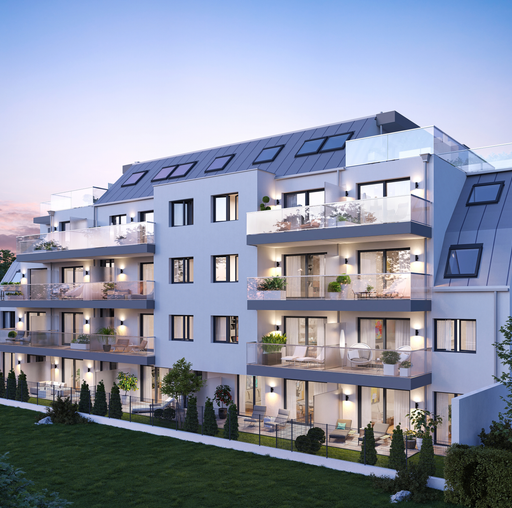
Obstgartenweg 15
Near Donau Zentrum, Alte Donau and U1
- 2-4 rooms
- 62-132 sqm
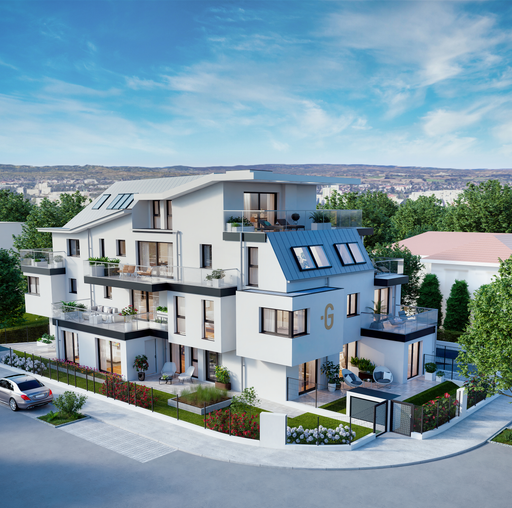
1220 Vienna
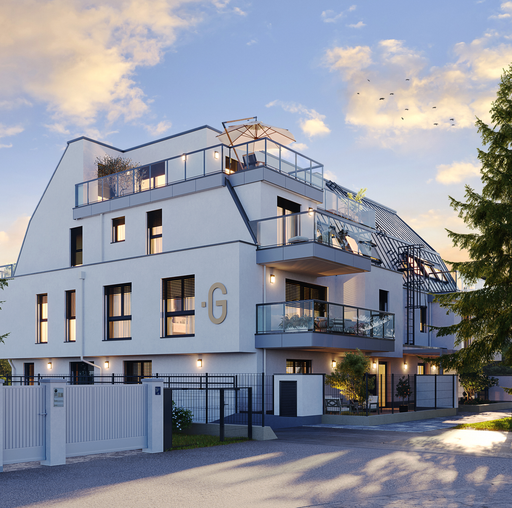
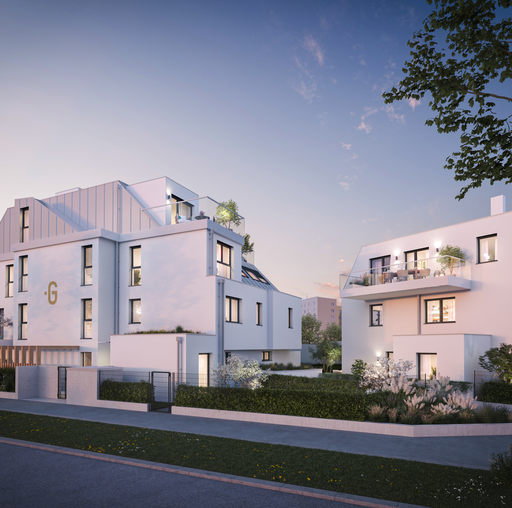
Paulitschkegasse 2
Only 350 m to untere Alte Donau
- 2-4 rooms
- 66-169 sqm
1210 Vienna
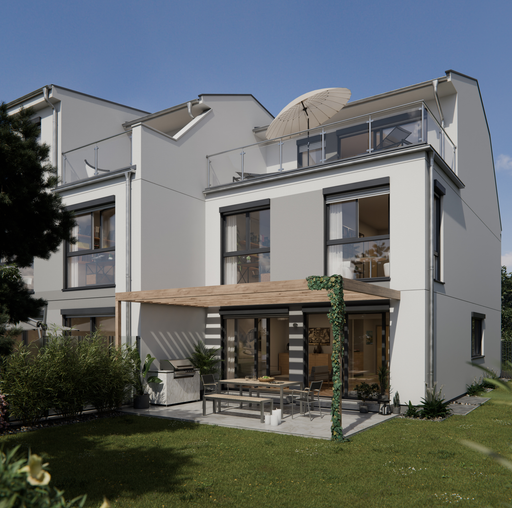
Rieglgasse 1
Vis-à-vis U1 subway station Leopoldau
- 4 Zimmer
- 126 m²
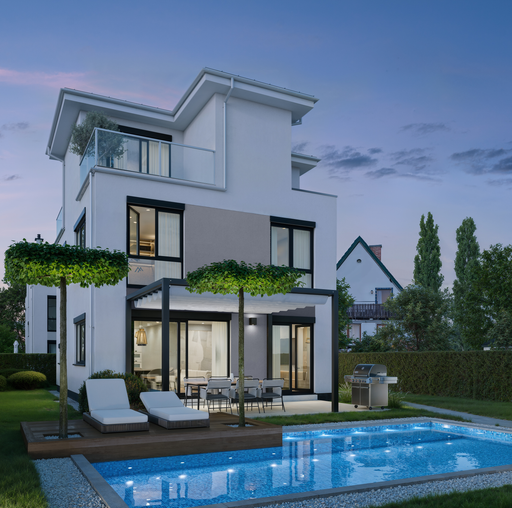
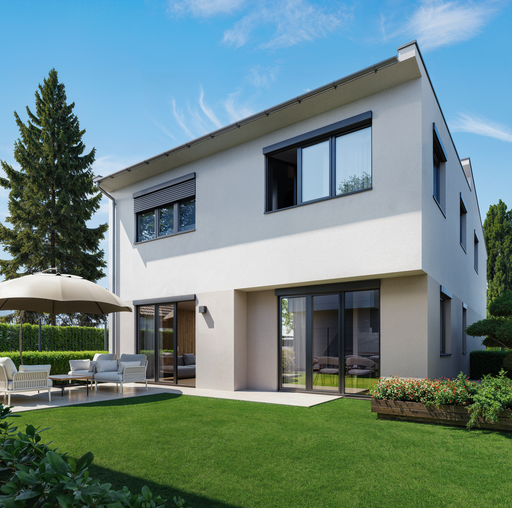
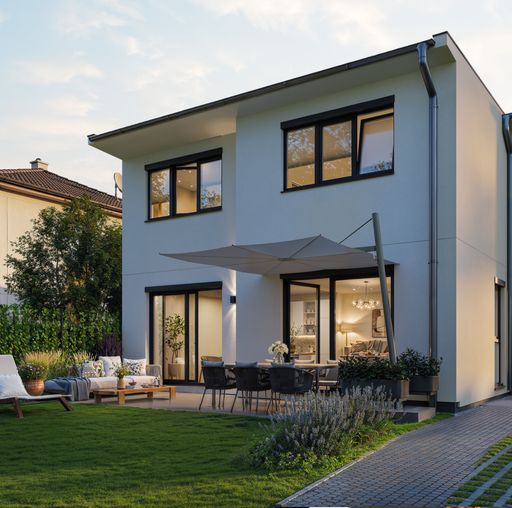
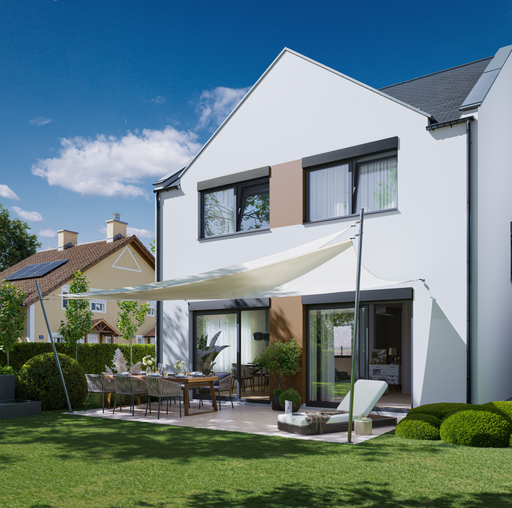
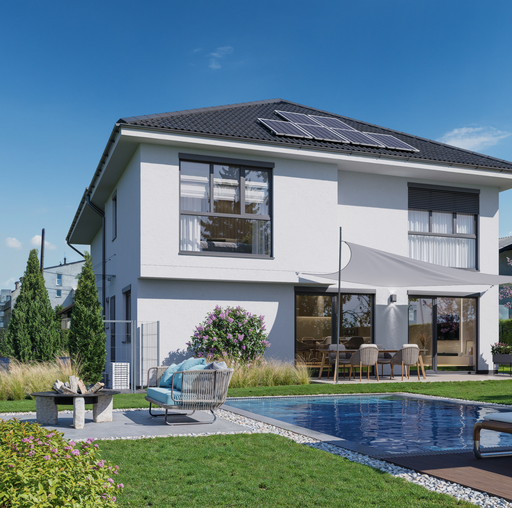
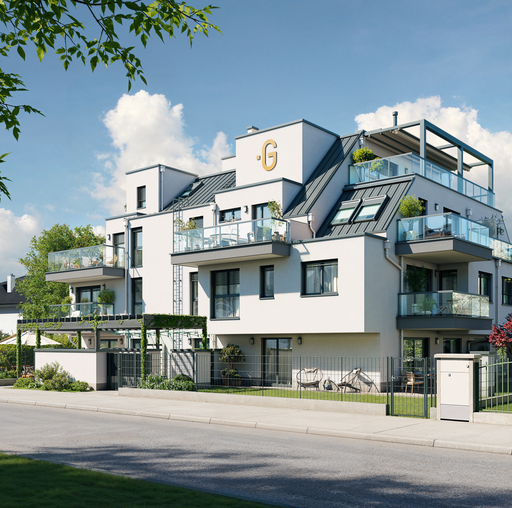
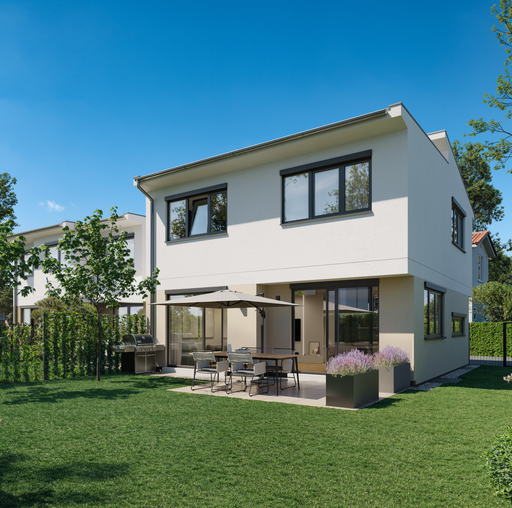
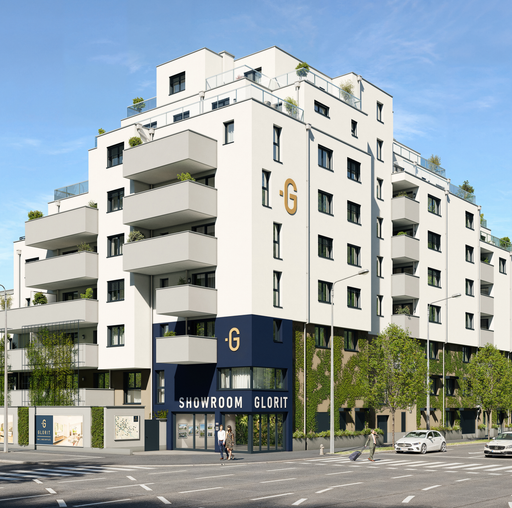
1220 Vienna
Wagramer Straße 76
Near Donau Zentrum, U1, and Alte Donau
- 2-5 rooms
- 59-183 sqm
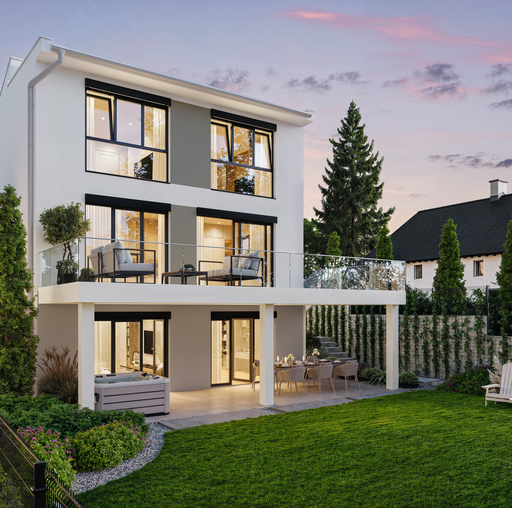
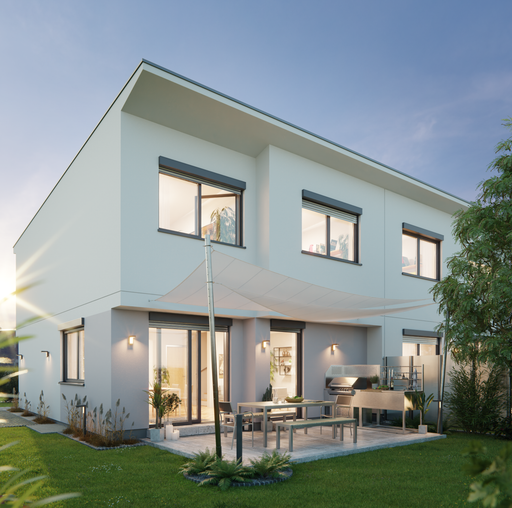
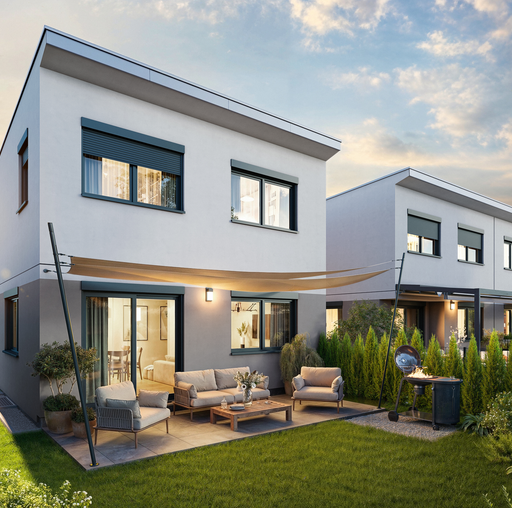
No projects found
1210 Vienna
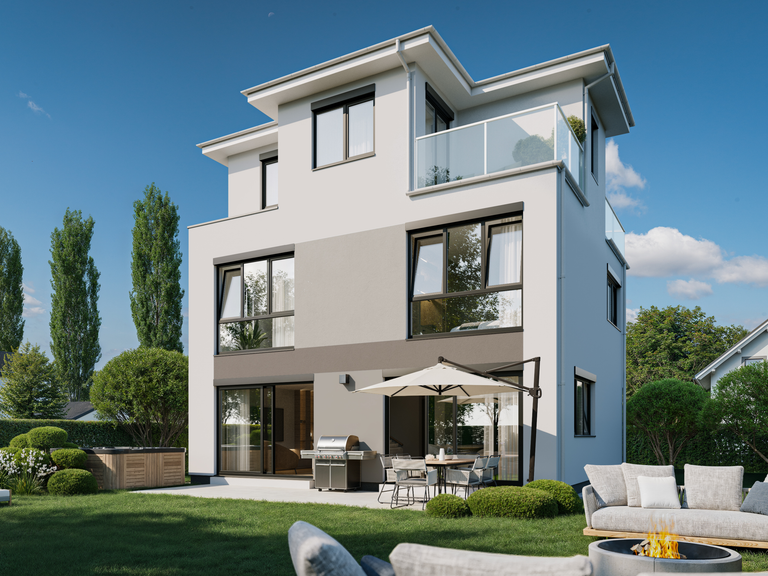
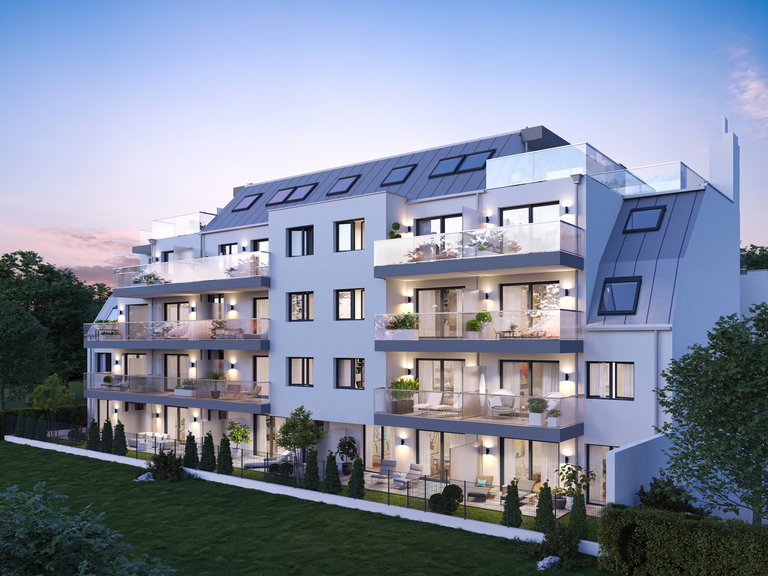
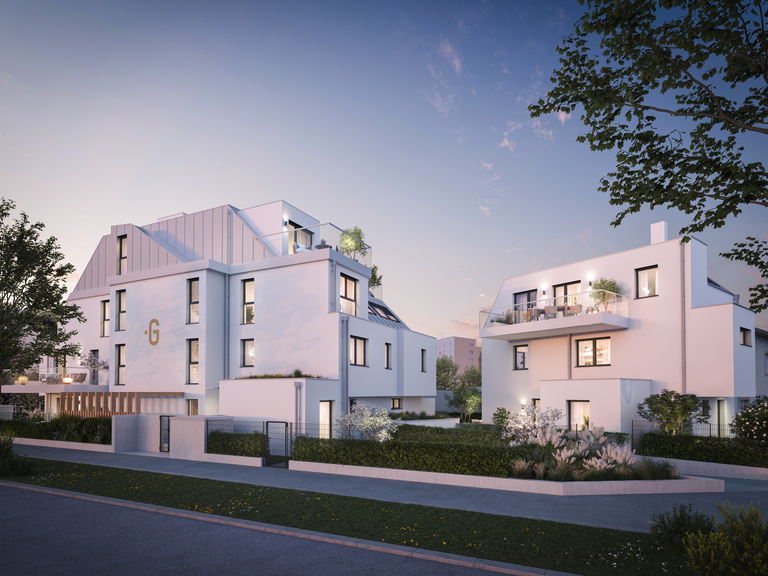
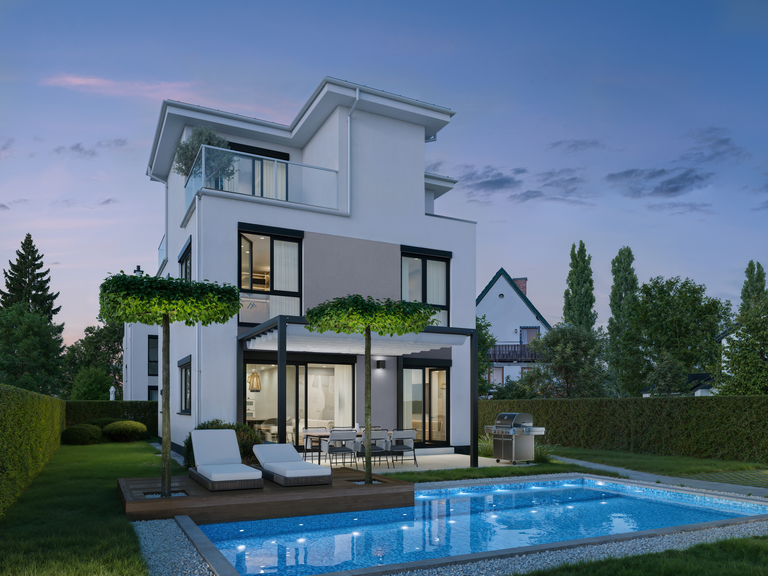
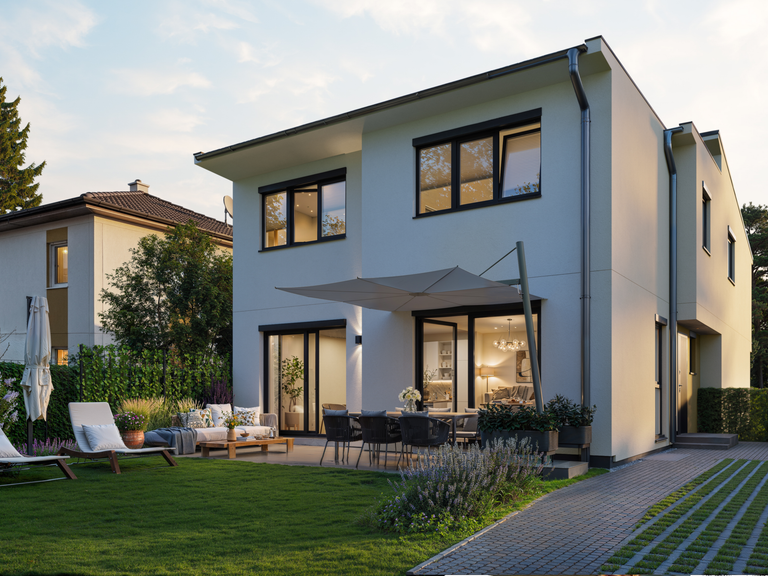
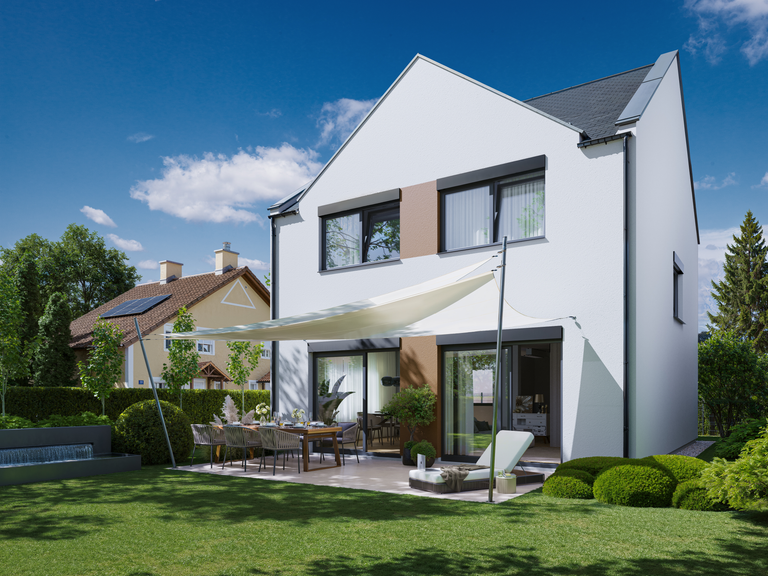
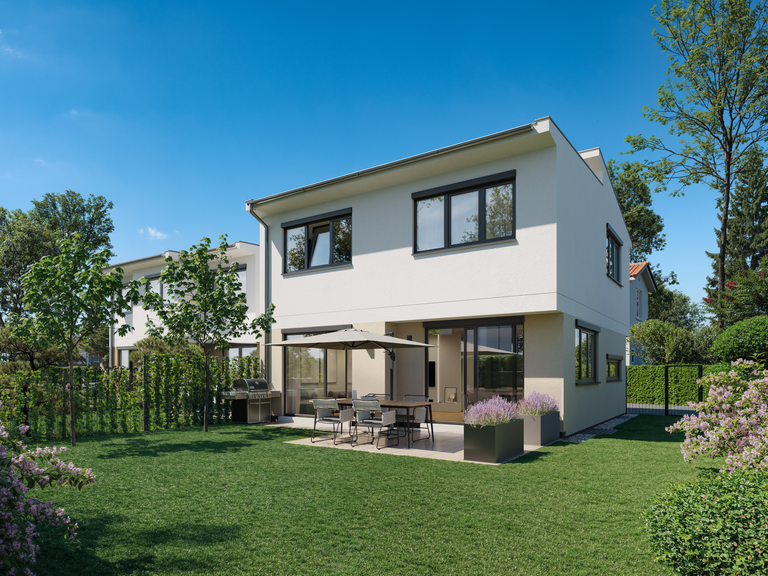
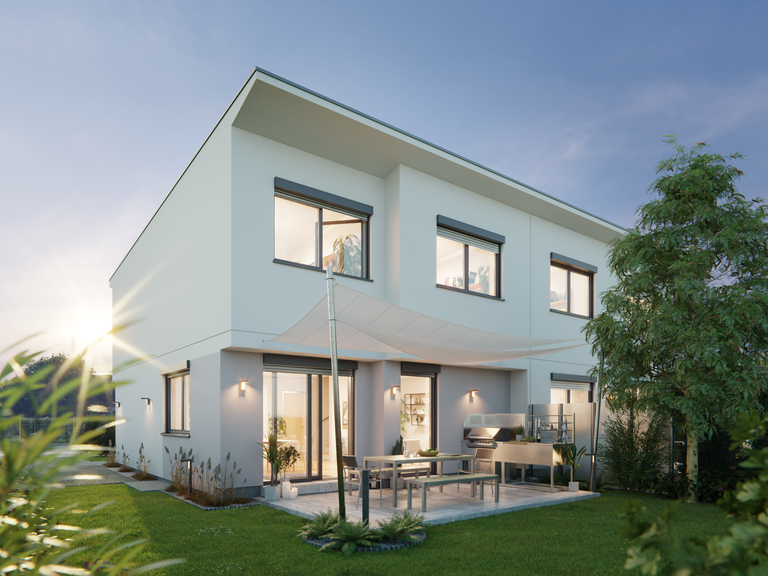
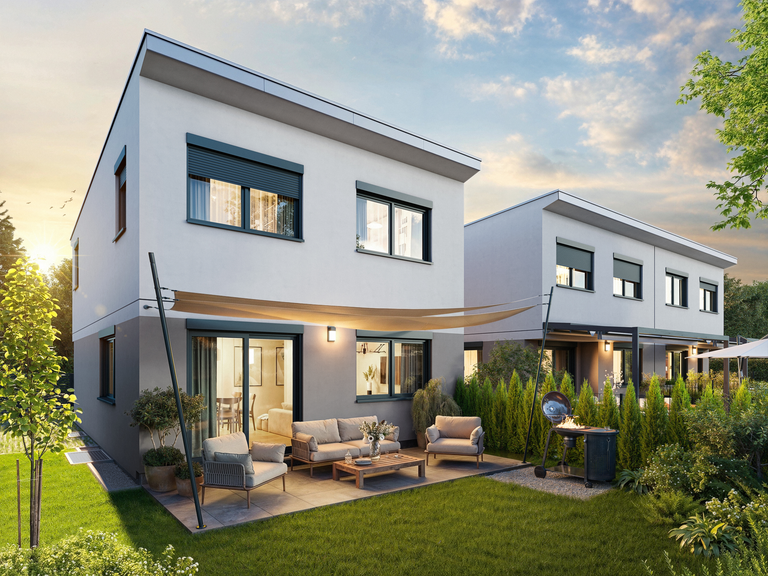
1220 Vienna
-
Ready to move in now
-
Ready to move in now
-
under construction
-
Ready to move soon
-
Last unit
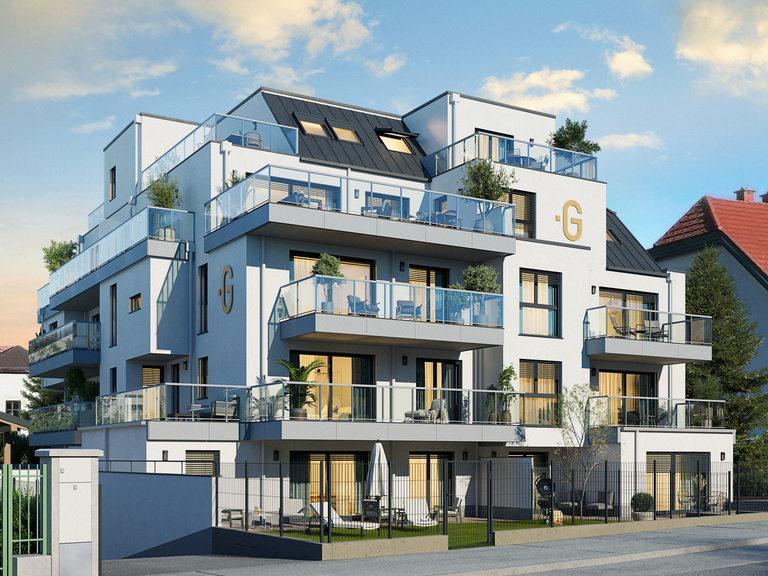
-
Last unit
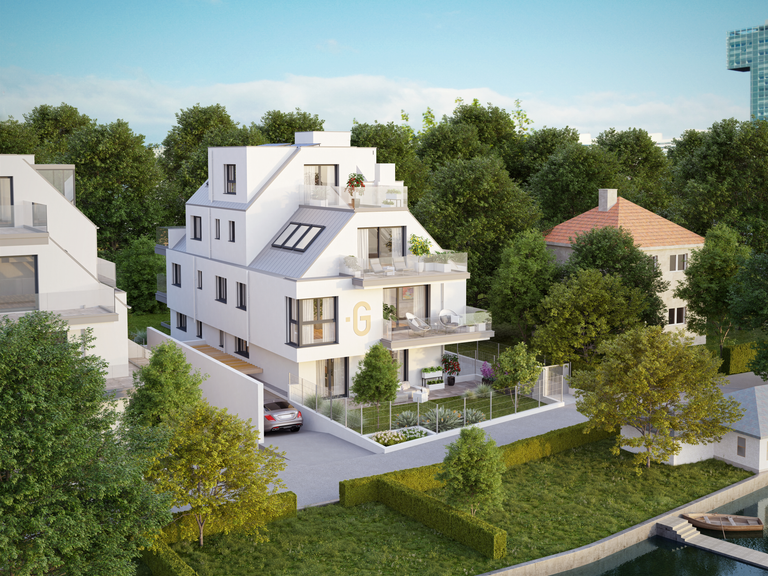
-
Ready to move in now
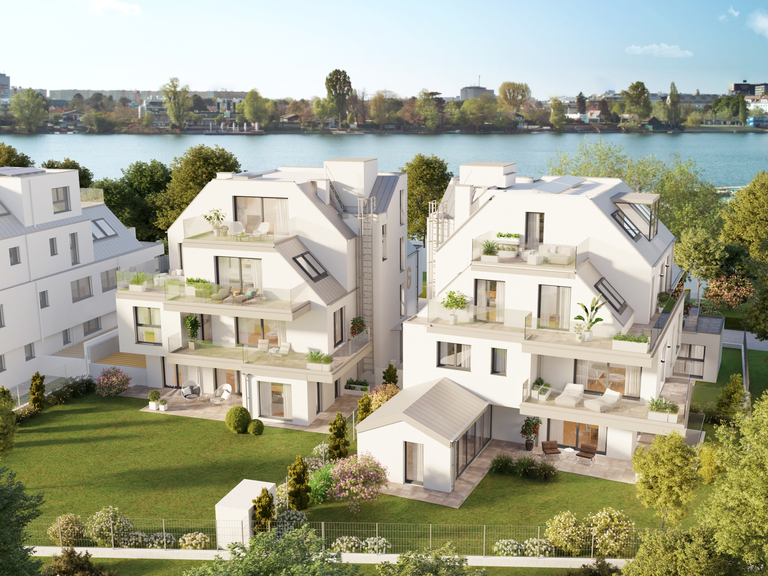
-
Ready to move in now
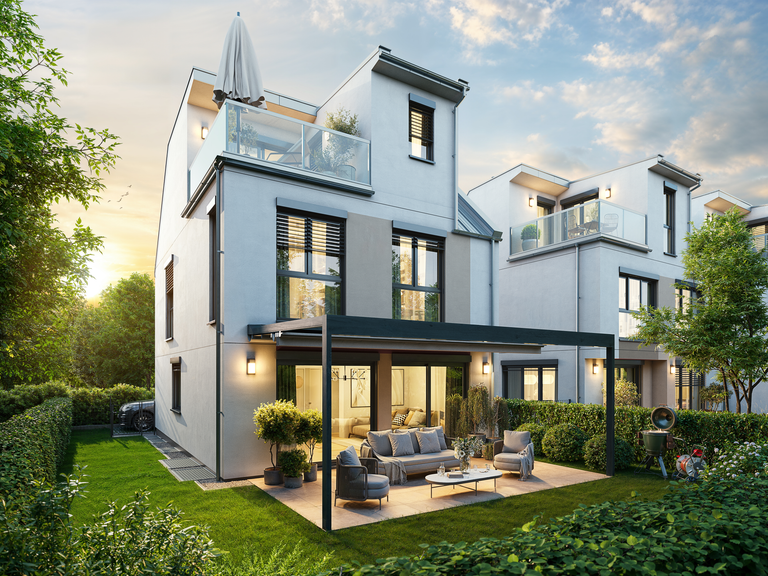
-
Ready to move soon
-
Waterfront
-
Last unit
-
-
Last unit
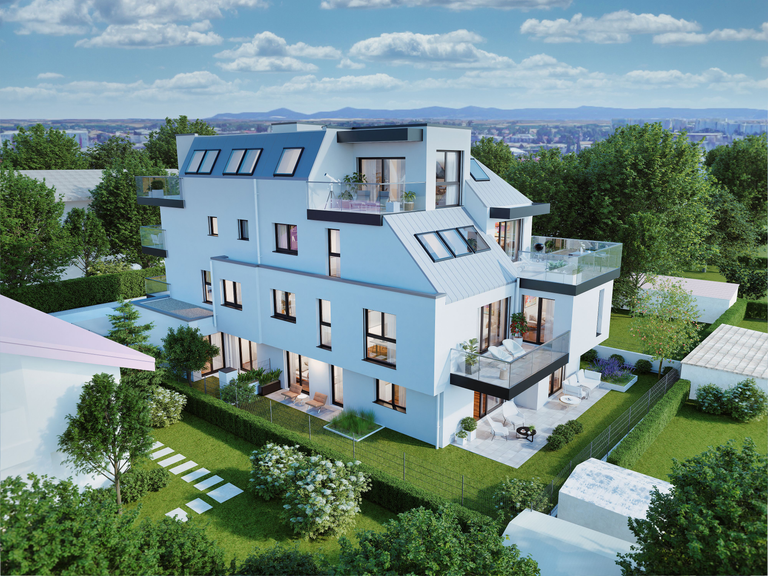
-
Last unit
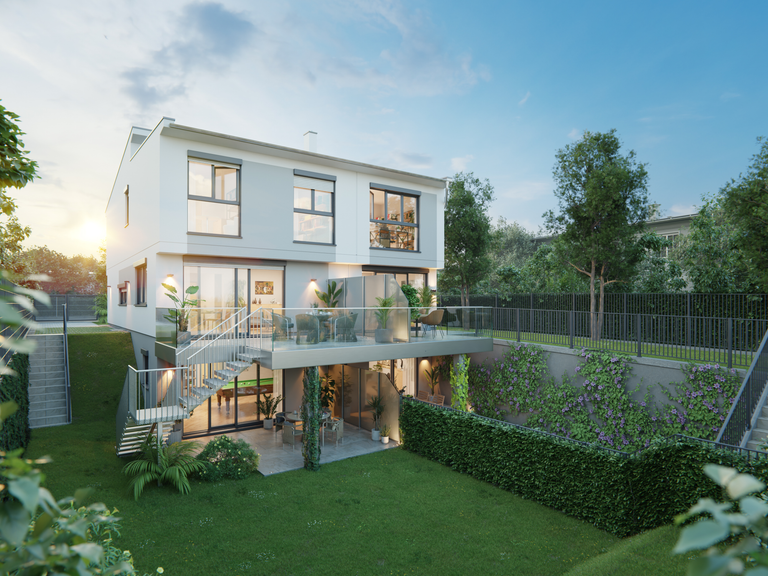
-
Ready to move in now
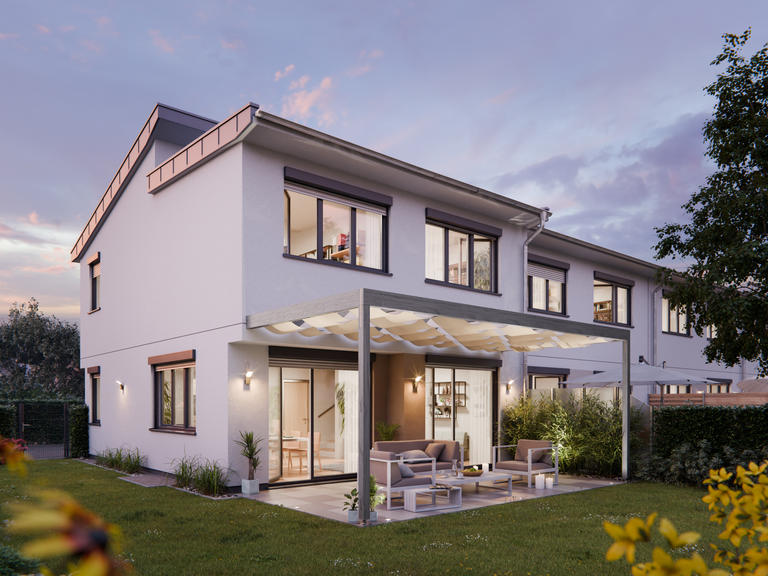
-
Ready to move in now
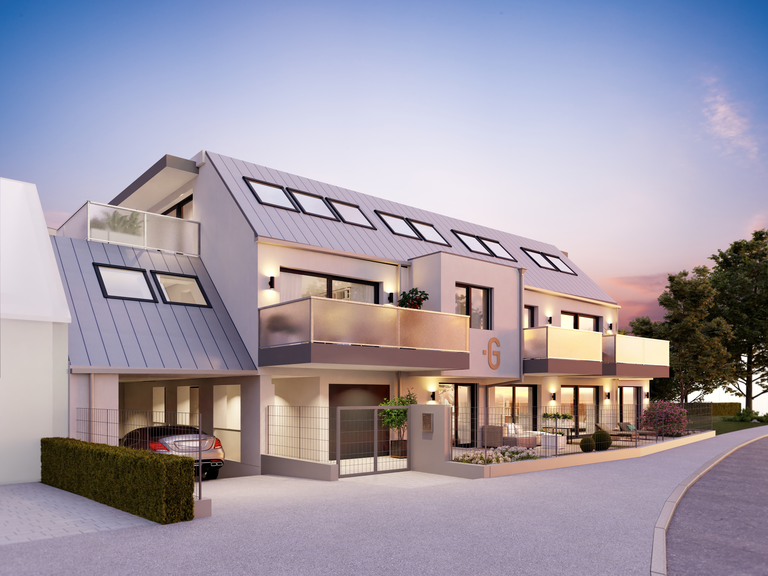
-
Ready to move in now
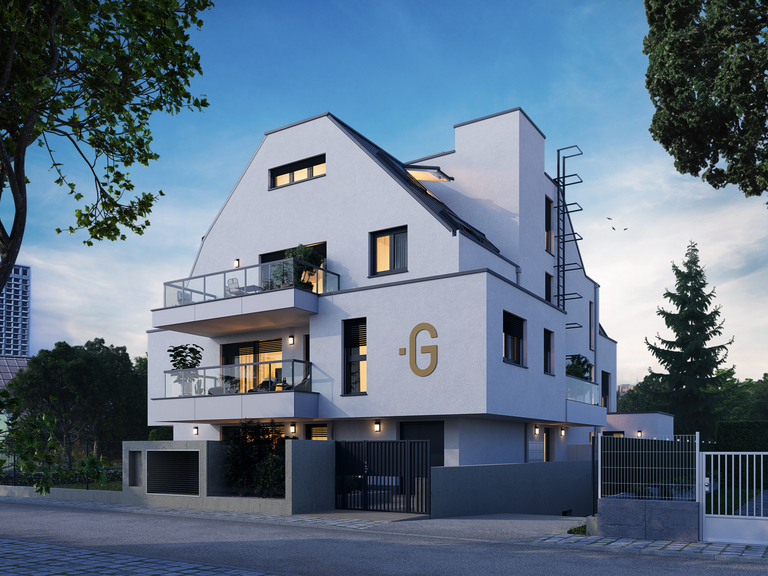
-
under construction
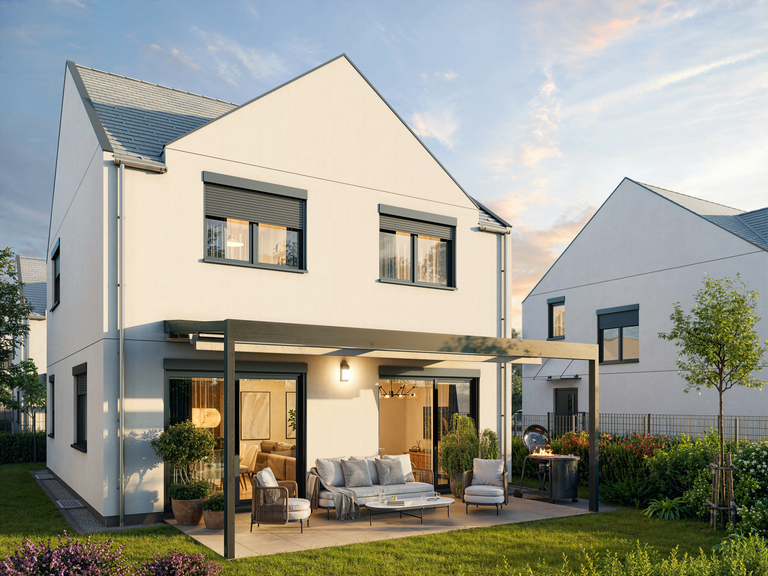
-
Last unit
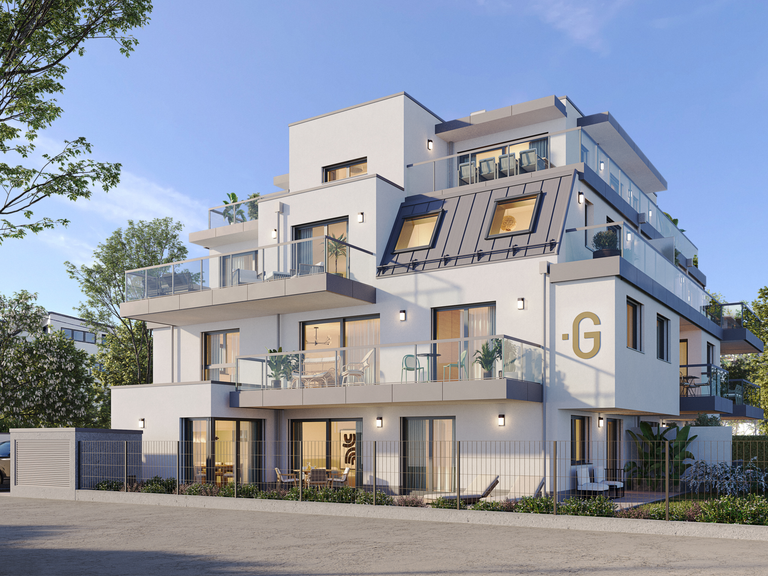
-
under construction
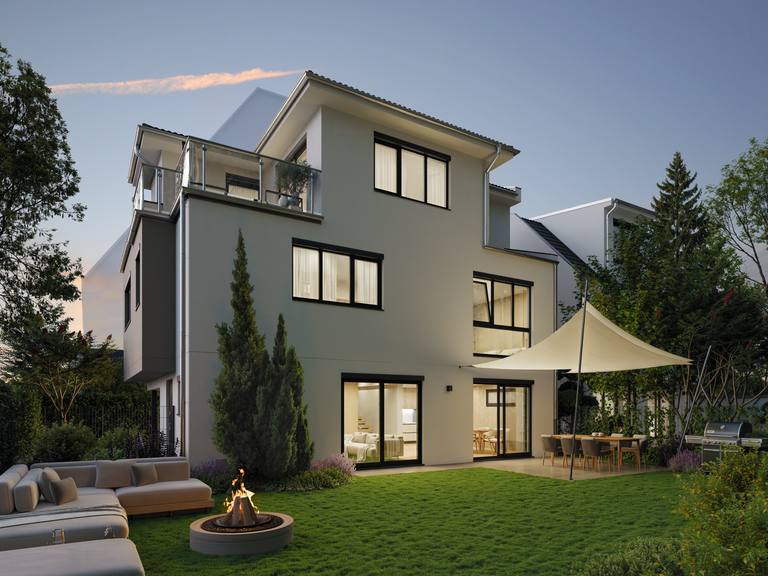
-
Ready to move in now
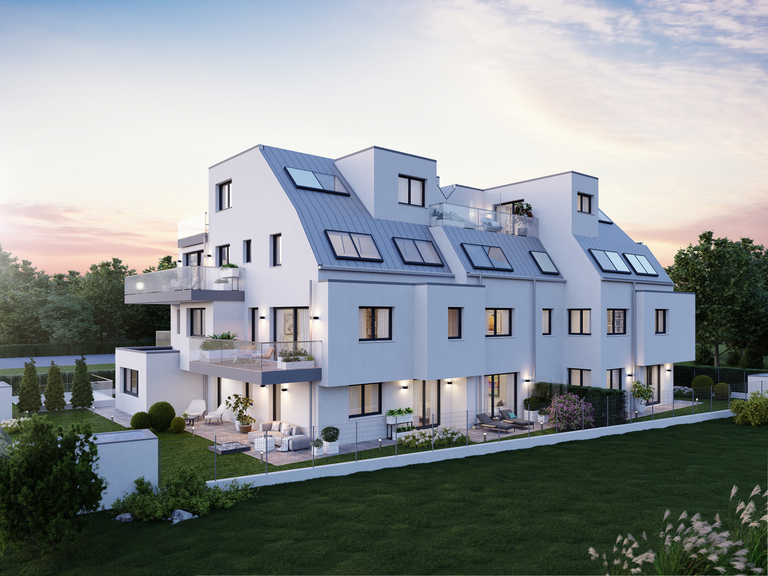
-
Last unit
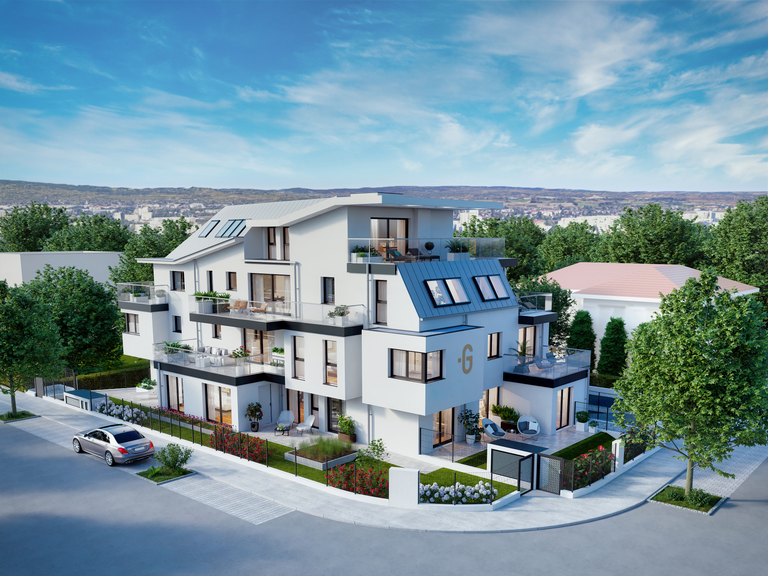
-
Ready to move in now
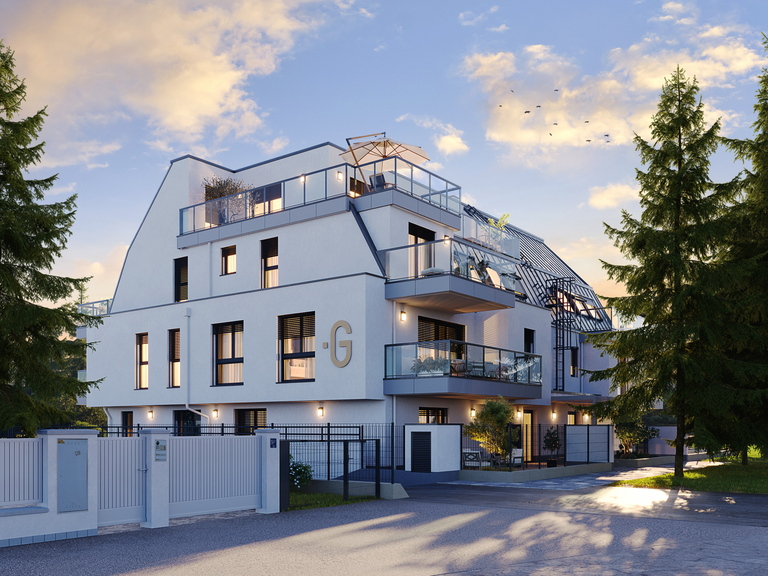
-
Ready to move soon
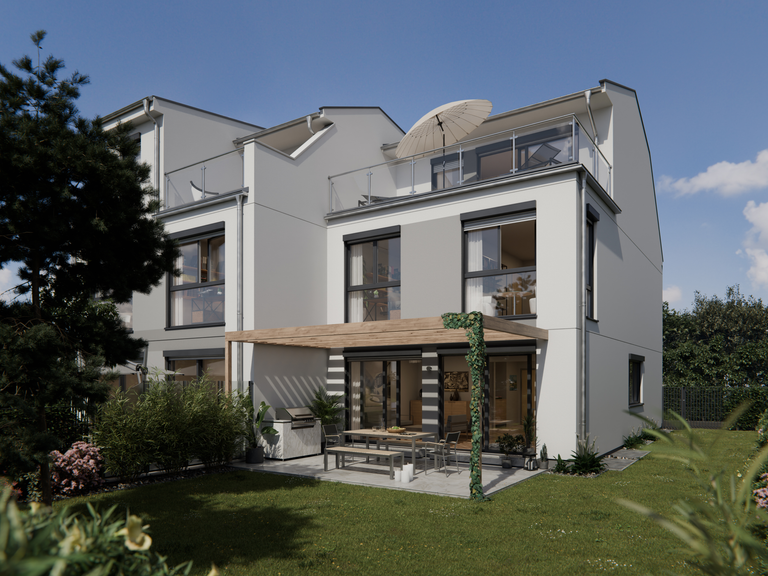
-
Last unit
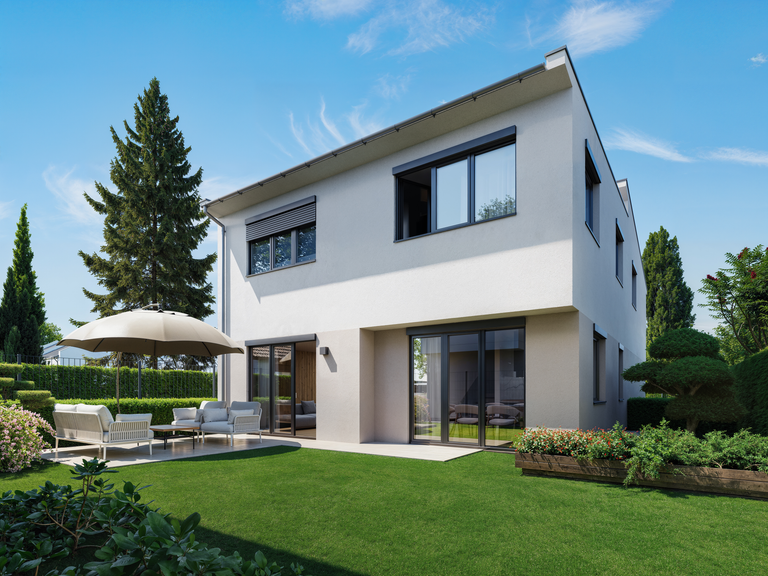
-
Last unit
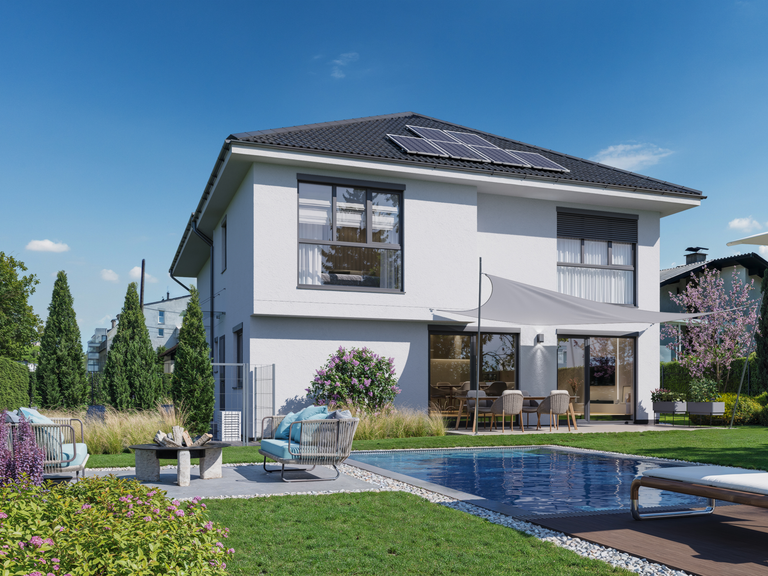
-
Ready to move soon
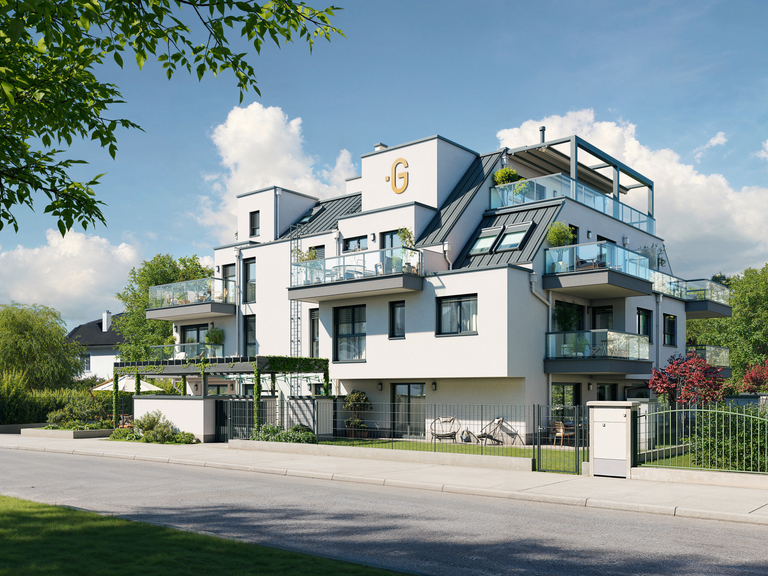
-
under construction
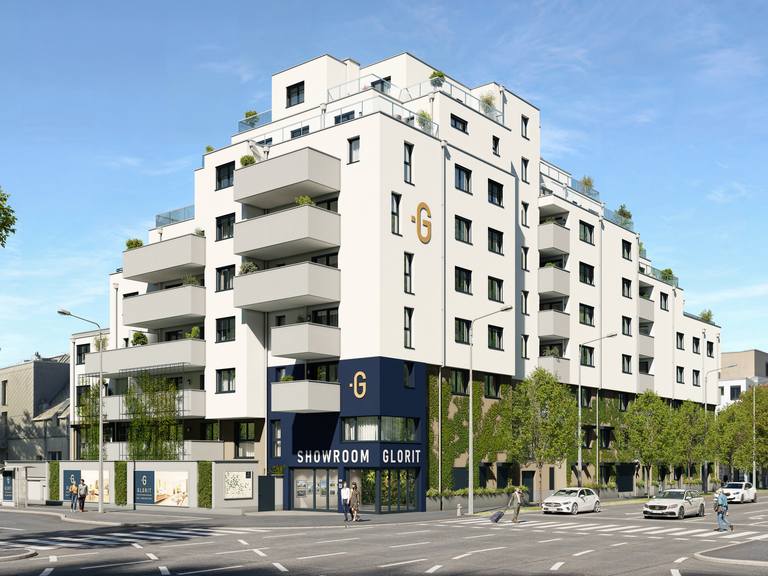
1230 Vienna
3400
Whether you are looking for an exclusive house with a private garden or a modern freehold apartment with a spacious terrace, our experienced sales team looks forward to hearing from you and helping you find the perfect property to suit your needs.
7 days a week, including evenings.
The Alte Donau combines waterfront living with all the advantages of a major city. Swimming areas, water sports, extensive green spaces and good transport connections in selected residential locations provide an exceptional quality of life. Properties with water views, spacious outdoor areas and easy access to the U1 underground line are particularly sought after.
Prices for Glorit houses and freehold apartments around the Alte Donau vary depending on the location, living space, plot size, and fittings and finishes.
For example, at Glorit’s Arminenstraße 4A–8 development, just 200 metres from the Untere Alte Donau, turnkey freehold apartments on land held under building rights were available from €499,900.
The prices of our premium houses also depend primarily on their location, living space, plot size, and fittings and finishes. Our sales team will be happy to provide information on current offers, starting prices and available properties.
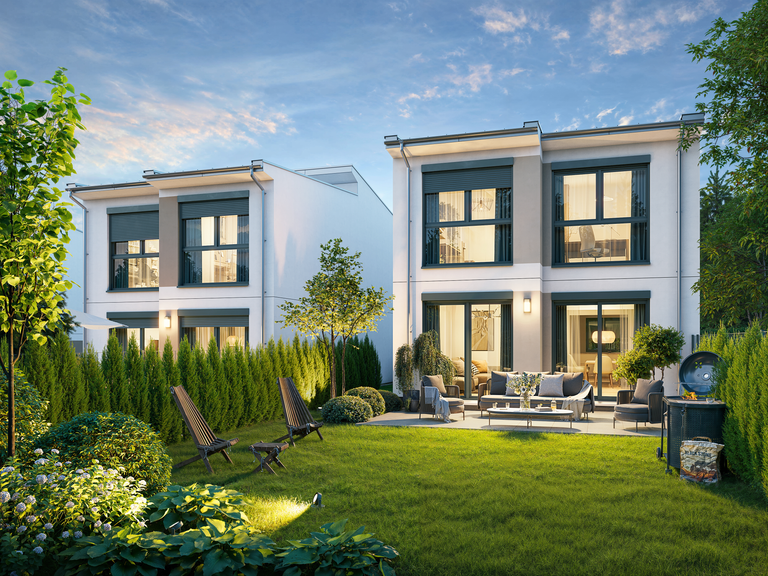
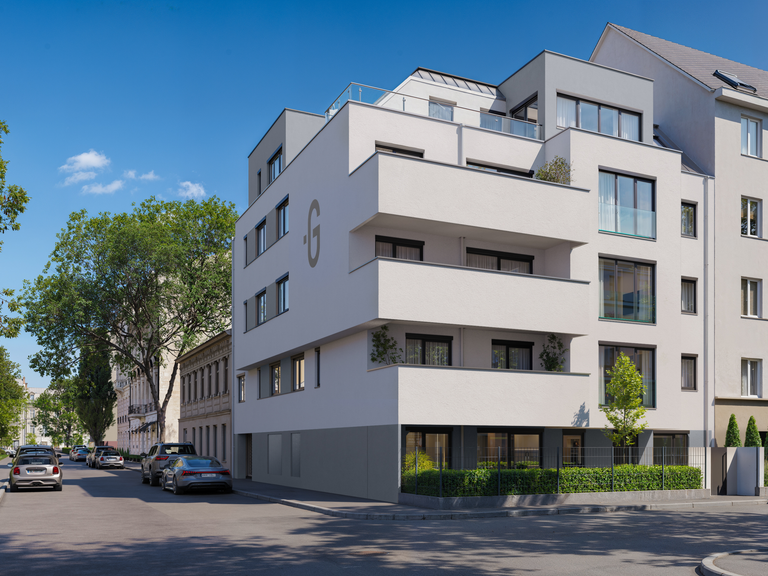
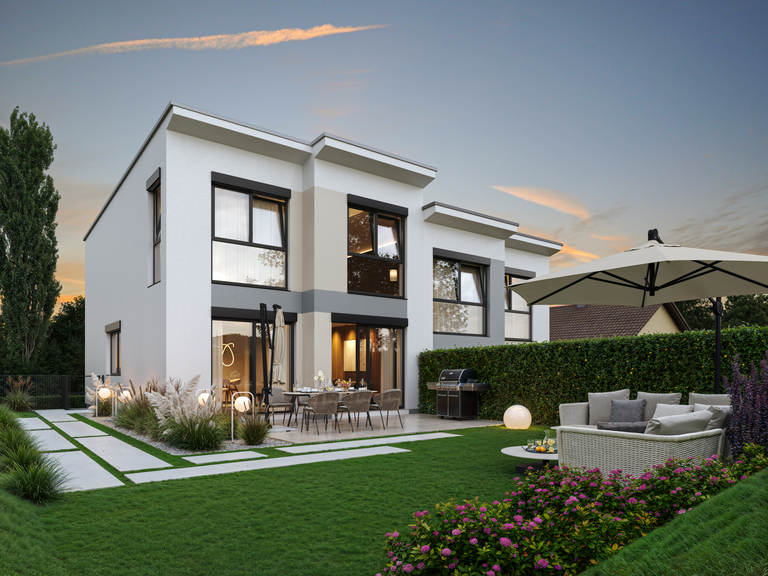
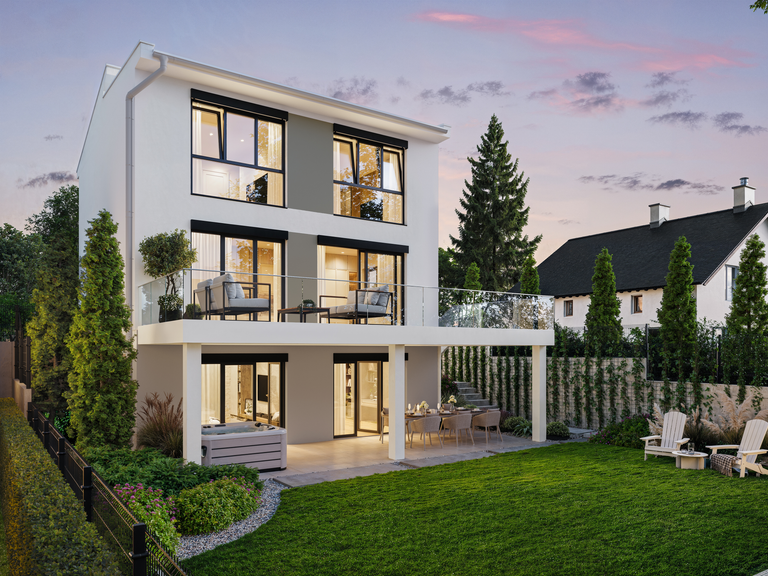
Discover all Glorit residential developments by the Alte Donau
Glorit stands for premium new-build developments featuring modern architecture, thoughtfully designed layouts, high-quality construction and first-class branded fittings and finishes. These include genuine wood parquet flooring by Scheucher, bathroom fixtures by Villeroy & Boch and taps by hansgrohe.
Modern building technology, including heat pumps, underfloor heating and, depending on the development, ceiling cooling and photovoltaic systems, ensures contemporary living comfort.
Yes. The combination of an attractive waterfront location, high construction quality and good infrastructure makes selected Glorit freehold apartments an appealing option for long-term property investors. Depending on the development, properties are available on freehold land or land held under building rights.
In addition to the location, the purchase price, potential rental income and ongoing costs are particularly important when evaluating a property investment.
Our experienced sales team will be happy to answer any questions.
Yes. Our experienced sales team will guide you from your initial enquiry right through to handing over the keys. Together, we will find the house or freehold apartment that best suits your lifestyle, requirements and budget.
If required, we can also help you find suitable financing through independent mortgage and financing specialists. Personal consultations are available seven days a week, including evenings.
At our weekly open house events, you can personally view selected turnkey houses and freehold apartments and experience Glorit quality for yourself. No advance registration is required. Our sales team will be happy to show you around the property and answer your questions.
The Alte Donau has felt like home to us for many years. As a property developer, we have already successfully planned and completed numerous house and residential developments in this sought-after area. We know what matters when selecting plots, assessing the exact location and planning high-quality waterfront properties. This local expertise goes into every new development. Our customers benefit from our extensive experience, carefully selected locations and a property developer who knows the Alte Donau and its distinctive neighbourhoods inside out.
When you buy with Glorit, you purchase directly from the developer, with no estate agent commission. For over 50 years, we have been creating high-quality houses and freehold apartments in carefully selected residential locations across Vienna and the surrounding area. Our comprehensive, all-in-one service covers land development, planning, construction and personal customer support. This means you benefit from decades of experience, outstanding construction quality and a reliable point of contact throughout your journey to your new home.